 Social Suit

Educational information, not individual medical or legal advice. Practical examples are hypothetical and do not describe clients or study participants. This article is not represented as reviewed by a clinician or attorney. How we prepare our guides.
Separate a fraudulent investment from an ordinary market loss
A cryptocurrency investment scam uses a false opportunity, false identity, fake platform, manipulated account display, or deceptive relationship to obtain money or assets. The teen may believe they are buying or trading a digital asset when the transfer actually goes to an operator-controlled wallet, unrelated bank account, fake exchange, or fabricated investment dashboard.
A cryptocurrency price decline is not automatically fraud. Real digital assets can fall sharply, and a risky or poorly understood investment can lose value without anyone stealing it. Begin with observable conduct: who recommended the transaction, where the money went, what the platform shows, whether the asset or account exists, and what happens when the teen tries to withdraw.
Keep related events distinct. A fake investment can overlap with account takeover, identity theft, romance fraud, a hacked friend's profile, a fake job, money-mule recruitment, malicious wallet approval, pump-and-dump activity, or a recovery scam. Each may require a different provider, reporting route, and evidence set. Do not force the whole event into one label too early.
The FTC's cryptocurrency scam guidance explains that these schemes often start through social media and promise large or guaranteed returns. The FBI's cryptocurrency investment fraud resource describes fake platforms, escalating deposits, withdrawal fees, and recovery fraud. Those patterns help classify behavior without proving who operated a particular account.
Stop new money and access immediately
Tell the teen not to send another transfer, deposit, tax, fee, loan repayment, security payment, or wallet-verification amount. Do not let a displayed profit or countdown override the pause. A demand for one final payment to unlock the account is part of the suspected event, not independent proof that funds are waiting.
Stop contact long enough to secure accounts and preserve evidence. Do not announce an FBI report, threaten the operator, or argue about whether the platform is fake. The FBI advises victims to stop sending money and report promptly; alerting the suspected criminals may cause accounts, websites, messages, or assets to move before providers or investigators can review them.
If the teen is at a cryptocurrency ATM, bank, store, courier meeting, or in-person cash pickup, end the transaction and move to a safe public place with a trusted adult. Do not confront a courier or follow a vehicle. Call emergency services when there is an immediate threat, active coercion, or unsafe person at the home.
If remote-access software or screen sharing is active, disconnect the device from the network. Use a different trusted device to secure the primary email, financial accounts, exchange accounts, and phone carrier access. Preserve the software name, session details, and contact rather than allowing the supposed adviser to reconnect and help remove it.
Talk with the teen before trying to reconstruct the scheme
Start with a clear promise that the immediate goal is safety and limiting loss. A teen may have hidden the investment because they hoped to prove maturity, replace money, help the family, impress peers, or recover an earlier loss. Anger and ridicule can delay disclosure of a larger transfer, loan, identity document, or wallet credential.
Ask the teen to tell the sequence in their own words: where the contact began, what relationship developed, what was promised, which accounts or apps were created, how funds moved, what the screen showed, and what happened when they tried to withdraw. Avoid interrupting with a conclusion after the first familiar scam sign.
Ask separately about money, accounts, devices, identity documents, and other people. A teen may say they invested only $100 while omitting a parent card, peer referral, cash withdrawal, bank transfer, borrowed money, or seed phrase. A calm inventory is not an interrogation; it is how the family identifies time-sensitive risks.
Give the teen a useful role. They can locate messages, list usernames, identify legitimate accounts, and explain the language used in the group or platform. An adult can contact providers and agencies. Do not require the teen to keep chatting with the suspected operator to collect evidence or recover money.
Preserve the complete contact and investment timeline
Save the original social profile, advertisement, group invitation, direct-message thread, phone number, email address, username, display name, profile URL, group administrators, referral links, and dates. Record when the conversation moved to another app and which participant introduced the investment. A screenshot of one promise rarely explains the full trust-building process.
Preserve the investment platform URL, app name, developer, download source, account identifier, displayed balance, claimed positions, transaction history, withdrawal request, error messages, and every tax or fee demand. Capture full domains and wallet addresses rather than only logos or shortened labels. Do not sign back in through a suspicious link merely to improve the record.
Save bank and exchange records, wire instructions, card transactions, cash withdrawal receipts, cryptocurrency ATM receipts, QR codes, wallet addresses, transaction hashes, networks, token names, amounts, dates, and time zones. Keep the source of funds separate from the on-chain destination so a provider can follow the route accurately.
Use the online-harm evidence guide to create a restricted master file and redacted working copies. Do not publish seed phrases, private keys, authentication codes, full account numbers, identity documents, or wallet recovery information while asking online communities for help.
Map every step in the money path
Write the flow from the original funding source to the final known destination. An example might be a parent's bank account to a legitimate exchange, conversion from dollars to a digital asset, and withdrawal to an outside wallet supplied by the supposed adviser. Another path may use a wire, payment app, gift card, cash courier, or cryptocurrency ATM.
For each step, record the provider, account owner, date, amount, currency or token, network, destination, status, and case number. Mark which transaction the teen personally approved and which may have occurred after account compromise. Authorization and deception are different questions, and a provider may use different processes for each.
Do not assume a legitimate exchange, bank, or app makes the investment legitimate. Scammers often direct victims to real services for the first conversion, then move the assets to an outside address. Conversely, a strange-looking transaction label does not by itself prove fraud. The full path and account records matter.
Keep displayed platform profits out of the loss total unless they represent money the family actually deposited or independently owned. A fake dashboard can invent gains to encourage larger payments. Track real funds and assets that left control, amounts returned, provider credits, and unresolved transactions separately.

Contact banks, exchanges, and payment providers promptly
Contact each financial provider through its official app, card, statement, or independently located website. Explain that a minor may have been induced to send money for a fraudulent cryptocurrency investment. Give the transaction details and ask whether a transfer can be stopped, recalled, disputed, frozen, or escalated to the fraud team.
Contact the legitimate cryptocurrency exchange used to purchase or send assets. Provide the account, transaction hash, destination address, date, amount, and law-enforcement report number when available. Ask the exchange to secure the teen's account, preserve records, and flag the destination according to its process. Do not promise that the exchange can reverse an external transfer.
If a payment app, card, gift card, wire service, or mobile carrier charge was involved, use that provider's fraud route too. One bank report does not automatically reach every participant in the chain. Record case numbers, instructions, documents requested, and follow-up dates in the incident timeline.
Be precise about what happened. A transaction the teen approved because of deception is not necessarily processed the same way as an unauthorized login. Do not change the story to fit a dispute category. Accurate facts help the provider identify the appropriate review and preserve credibility across reports.
Understand what blockchain finality does and does not mean
Many cryptocurrency transfers cannot be canceled through the network after confirmation. That does not make reporting pointless. An exchange or service may control an account associated with a destination, retain identification and access records, or respond to its own security process and valid legal requests. Rapid, detailed reporting can still matter.
A public blockchain record can show a transfer between addresses, but it does not automatically identify the person who controlled an address or why the transaction occurred. Labels supplied by explorers and tracing services can be incomplete or wrong. Treat the hash and address as evidence, not a final attribution.
Do not pay an online stranger to trace, freeze, hack, claw back, or reverse the transfer. A professional-looking diagram of wallet hops does not give a private person seizure authority. The FBI warns that recovery companies and fictitious law firms may use real transaction details to collect more fees from victims.
Preserve the exact network and asset. Sending an address without noting whether the transaction used Bitcoin, Ethereum, Tron, Solana, or another network can create confusion. Do not experiment by sending another small amount to test the address. Give the provider and investigators the original records.
Do not trust the balance on a recommended platform
A fake platform can display deposits, trades, bonuses, and profits that never occurred. The operator may control every number on the dashboard. A rising balance, detailed chart, customer-service chat, downloadable statement, or successful login proves only that the site displays information, not that assets are held for the teen.
The FBI describes platforms that show fictitious returns to encourage repeated deposits. Some schemes allow a small early withdrawal so the victim believes the system works. That payment may come from the operator or other victims and does not authenticate the platform or establish that the remaining balance exists.
Compare independently verifiable records. A legitimate exchange or self-custody wallet should have transactions that correspond to real network activity and account ownership. Do not let the supposed adviser provide the block explorer, audit, or proof and call it independent confirmation. Use official tools and qualified help.
Do not create a new deposit to satisfy a minimum-balance rule, maintain a VIP tier, repair a negative balance, complete a trading cycle, or pass an anti-money-laundering review. Those explanations may be designed to turn a fake screen into another real payment.
Refuse taxes and fees required to withdraw
A common turning point occurs when the teen tries to withdraw and the platform demands tax, commission, insurance, liquidity, validation, security, or regulatory fees. The payment may be described as refundable or required by a government agency. Do not send it to the platform, adviser, wallet, or unrelated account.
The FBI warns that these taxes and fees are a trap used to obtain more money and do not unlock funds. A real tax obligation is handled through an actual tax system, not a surprise cryptocurrency transfer to an investment platform before withdrawal.
Do not borrow money, use a parent's account, or ask peers to help reach the claimed threshold. Do not accept a platform loan that must be repaid before funds are released. A displayed loan or balance created inside a suspected fake platform does not establish a legitimate debt.
Save the demand, destination, countdown, explanation, and supposed regulator. Contact any named agency or firm through an independently located channel. Do not call the number in the message. Report the new demand as part of the existing suspected investment fraud.
Recognize relationship-based financial grooming
Some schemes begin as friendship, mentorship, romance, networking, or a supposed wrong-number conversation. The investment may appear only after weeks of daily messages and trust building. A teen can believe the relationship is real even after adults recognize financial warning signs, so lead with the money and safety facts rather than mocking the connection.
The SEC's relationship investment scam guidance describes unsolicited contact, movement to private messaging, fake identities, trust building, fake testimonials, manipulated platforms, and demands for more money. The relationship is part of the method, not evidence that the teen consented to deception.
Ask whether the contact requested secrecy, discouraged questions, claimed special access, promised a shared future, offered to cover losses, or became angry when the teen paused. Save the relationship messages as well as the financial instructions. They may explain why the teen acted and connect accounts across platforms.
Do not arrange an in-person meeting to expose the contact. If the person knows the teen's school, home, routine, or family details, review physical and account safety separately. Use police or emergency services for credible threats or an unsafe person, while keeping the investment report and relationship evidence organized.
Treat investment group chats as unverified social environments
A social advertisement may add the teen to a chat where a supposed professor, analyst, assistant, or successful investor posts daily recommendations. Other members celebrate profits, share screenshots, and pressure newcomers to act. Those participants may be accomplices, automated accounts, impersonated people, or other victims.
The SEC's February 6, 2026 investor alert warns about investment group chats, impersonated professionals, and promises of high returns with little risk. Never treat group consensus as independent verification when the group controls who speaks and what remains visible.
Save the group name, invitation, administrators, membership list when visible, pinned posts, recommended assets, platform links, deposit instructions, and removal messages. Do not warn the entire group before preserving evidence; an administrator can delete content or remove the teen. Do not privately solicit other members for a recovery plan.
A real educational community can still contain bad advice, undisclosed promotion, or market manipulation. The family does not need to decide whether every participant committed fraud before stopping new transactions. Verify the professional, firm, product, and account destination outside the group.
Verify celebrity, influencer, and deepfake endorsements
A video, livestream, podcast clip, screenshot, or direct message may appear to show a celebrity, creator, athlete, entrepreneur, or government official promoting an investment. The content can be edited, taken out of context, reposted by an impostor, or generated with synthetic audio and video. Familiar appearance is not authentication.
The SEC's crypto scam alert warns that fraudsters use AI, deepfakes, hacked accounts, false testimonials, and impersonation. Confirm any public statement through the person's established official channels and the investment issuer's verifiable filings or records, not through links in the promotion.
Even a genuine endorsement does not establish that an investment is suitable, registered, liquid, or free of conflicts. An influencer may be paid, misled, or speaking about a different product. Separate the identity question from the investment question and review disclosures rather than relying on fame.
Preserve the ad URL, account, date, caption, destination, and video without reposting it as a warning that could spread the scam. If the teen interacted with a cloned voice or video, the AI voice-clone guide provides additional verification steps.
Verify an investment professional without using supplied contacts
A scammer may copy the name, photograph, registration number, employer, office address, and history of a real broker or adviser. A legitimate public profile or registration record does not prove that the person in the direct message controls that identity. Contact the professional through the firm information shown in an independently retrieved regulatory record.
Use Investor.gov and FINRA BrokerCheck to review registration and disclosures for people and firms that should appear there. A person selling a different product or operating in another jurisdiction may fall under another regulator, so absence from one database is not a complete fraud finding. Ask the relevant securities regulator when uncertain.
Compare the official firm's domain, phone, email format, client relationship summary, and account-opening process. Do not use a personal email, messaging-app account, or website supplied by the contact as confirmation. A scammer can link to the real professional's record while changing only the communication and deposit destination.
Save fake certificates, business cards, registration documents, and account agreements as evidence, but do not publish the copied professional's identity as the scammer. Notify the real firm privately through its official fraud or compliance contact so it can review the impersonation.
Inspect apps, domains, and download instructions
Compare the investment site's domain character by character with the official firm. Look for added words, changed letters, unusual endings, redirects, or a login hosted on an unrelated domain. HTTPS and a padlock encrypt the connection; they do not prove who operates the site.
Check the app developer, publisher link, privacy information, update history, reviews, permissions, and official firm website. The SEC and FBI warn that a fake investment app can appear in a well-known app store. App-store availability is not a regulatory or investment approval.
Do not install a profile, certificate, remote-access program, sideloaded app, browser extension, or screen-sharing tool to activate trading. If one was installed, disconnect the device when active access is possible and obtain trusted technical help. Preserve the download route, file, permissions, and observed behavior.
Search the exact domain, developer, contact information, distinctive text, and screenshots with terms such as scam, complaint, fraud, review, or warning. Search results can help, but a new site may have no complaints and a fake operator can create positive articles or reviews. Regulatory and firm verification remain separate.
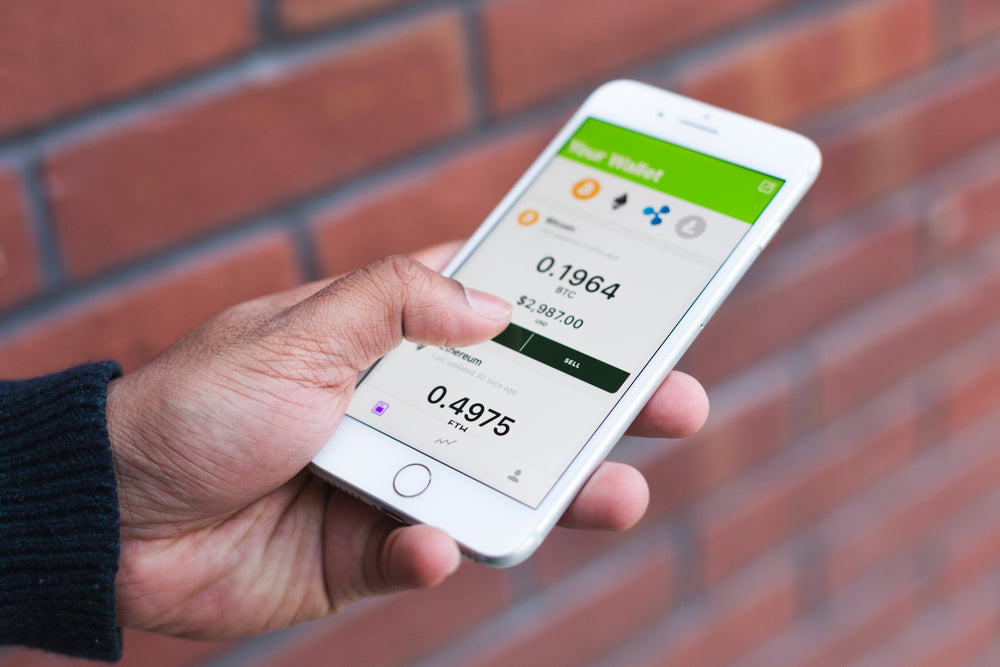
Protect wallets, seed phrases, and token approvals
A self-custody wallet gives control to whoever holds the private key or recovery phrase. No adviser, support agent, investigator, exchange employee, giveaway host, or recovery company needs the teen's seed phrase. If it was disclosed, treat the wallet as compromised and seek qualified help before moving remaining assets.
A malicious site may ask the teen to connect a wallet and sign a message or transaction described as verification, airdrop, staking, migration, or withdrawal. The approval can grant access to tokens without revealing the seed phrase. Record what was signed and review approvals through trusted tools or wallet support.
Do not paste the seed phrase into a website that claims it will check whether the wallet is safe. Do not photograph it for support or store it in a group chat. If the family must create a replacement wallet, use official software on a trusted device and never reuse the compromised recovery phrase.
Distinguish a wallet compromise from a voluntary transfer to a scammer. Both can cause loss, but the technical evidence and provider response differ. Preserve transaction hashes, contract addresses, approvals, device details, and communications instead of assuming every outgoing transaction used the same method.
Respond to cryptocurrency ATM and QR-code payments
A scammer may direct the teen to deposit cash at a cryptocurrency ATM and scan a QR code. The machine can be legitimate while the destination belongs to the scammer. A receipt and visible wallet credit do not make the investment or recipient genuine.
Stop before inserting more cash. Contact the ATM operator using information printed on the machine or official website, not a number provided in the chat. Provide the receipt, location, time, amount, transaction identifier, destination, and report number. Ask what preservation and fraud processes are available.
Do not scan a replacement QR code sent by a supposed compliance agent, exchange, tax office, police officer, or recovery specialist. A QR code encodes a destination or instruction; it is not proof of the recipient's authority. Save the code as evidence without posting it publicly.
If an unknown person is waiting nearby, collecting cash, or directing the transaction by video, prioritize physical safety. Leave with the teen and contact police when appropriate. Do not confront the person or attempt to recover cash directly.

Separate pump-and-dump losses from a fake platform
A pump-and-dump scheme promotes a thinly traded asset, drives buying and price attention, then allows promoters to sell before the price collapses. The teen may hold a real token whose market value fell rather than a balance on a completely fake platform. Both can involve deception, but the evidence differs.
The CFTC advises against buying digital coins based on a single social-media tip, sudden spike, quick-wealth promise, or guaranteed strategy. Preserve the promotional posts, timing, wallets or accounts used, asset, exchange, and actual market trades.
A price decline alone does not establish manipulation, and a popular memecoin is not automatically fraudulent. Do not publicly accuse a creator, group member, or seller based only on loss. Regulatory agencies can evaluate coordinated promotion, undisclosed interests, false statements, and trading records that a family cannot see.
Do not chase the loss by buying more to lower the average price or follow a new signal from the same group. Secure accounts, preserve records, and obtain independent financial and legal guidance when the position remains open or the teen used borrowed or family money.
Evaluate trading courses, signals, and recruitment plans separately
A paid trading course, signals group, coaching service, and investment account are not the same product. A course can be overpriced or misleading without directly holding customer assets. A recruitment plan may pay commissions for subscriptions rather than investment returns. Record what was purchased, promised, and delivered.
The FTC's August 2026 guidance on investment-training scams warns that no one can guarantee large earnings, low-risk trading, or successful training. Research the company, officials, promoters, compensation plan, refund terms, and complaints before paying or recruiting peers.
Do not allow the teen to recruit friends to recover membership fees or unlock a rank. Preserve referral links, commission statements, training claims, and instructions about what promoters should say. Warn peers narrowly when the same active solicitation remains in a school or team group.
A disappointing course result is not proof of fraud, and a profitable example does not prove typical results. Keep marketing claims, actual charges, recurring subscriptions, investment transfers, and referral compensation in separate categories for provider, regulator, or legal review.
Check whether a friend or family account was compromised
A pitch may arrive from someone the teen knows. Contact that person through a different established channel and ask whether they control the account and sent the investment message. Do not use a new number or backup profile supplied inside the suspicious conversation as independent confirmation.
A real friend may also be repeating a scheme they believe is legitimate. Confirming the sender's identity does not authenticate the investment. Ask how they verified the firm, platform, account destination, and withdrawal, and then perform the checks independently.
If the account was hacked, help the real person use the platform's official recovery process and warn contacts without reposting the investment link. The teen should secure any reused password, code, or credential shared in the conversation. The hacked-account guide covers account recovery in more detail.
Do not publicly blame the friend for losses before understanding account control and their own involvement. Preserve their message and later confirmation. A compromised identity, unwitting promoter, paid recruiter, and knowing participant are different possibilities.
Distinguish fake investment work from money-mule activity
Some schemes call the teen an investment assistant, account manager, trader, liquidity provider, or cryptocurrency agent. They may be asked to receive money, buy assets, open accounts, transfer funds, recruit clients, or let another person use their wallet. That activity can create risks beyond losing an investment.
Ask whether any money belonged to another person, whether funds entered the teen's bank or exchange account, and whether the teen forwarded assets or kept a commission. Do not move or return remaining funds on instructions from the online contact. Contact the financial provider and obtain legal advice when third-party money is involved.
The money-mule guide explains how to stop pass-through transfers and preserve records. An unwitting participant, a victim who sent only personal funds, and a person who knowingly moved stolen money are not equivalent; intent and facts require careful review.
Do not destroy wallets, devices, receipts, or messages because they feel incriminating. Preserve what occurred and seek qualified advice. A platform ban, bank restriction, or police report is not a final finding about the teen's intent or legal responsibility.
Inventory identity documents and financial information
Fake platforms may demand identity verification that resembles a real exchange process. Record whether the teen sent a driver's license, passport, Social Security number, selfie, proof of address, tax form, bank statement, card image, signature, or video. A polished know-your-customer screen does not prove the recipient is regulated.
Legitimate financial firms may lawfully collect identity information, so a document request is not automatically fraudulent. The key questions are whether the firm and route were independently verified, what privacy terms applied, and whether the information went to the genuine institution rather than an imitator.
If high-risk data was disclosed to a suspicious party, use the teen identity-theft guide to consider credit freezes, IdentityTheft.gov, account review, and future warning signs. A data exposure is not the same as confirmed misuse; document both accurately.
Create a field-level inventory showing what was sent, to whom, when, through which URL or app, and what protective step followed. Each affected parent or adult should secure their own information when family bank statements, tax records, cards, or identity documents were used.
Secure email, exchange, bank, and social accounts
Begin with the primary email because it may reset financial, exchange, wallet, and social accounts. From a trusted device, change a reused or exposed password, review active sessions, sign out unfamiliar devices, verify recovery methods, and enable strong multi-factor authentication. Do not approve prompts initiated by the suspected operator.
Review the exchange account for new API keys, withdrawal addresses, trusted devices, connected apps, security settings, transfers, and identity changes. Contact official support before deleting evidence. If the account is locked, use the provider's recovery route rather than a social-media account claiming to be support.
Ask the bank and phone carrier to review contact details, devices, transfer recipients, digital wallets, SIM changes, forwarding, and security PINs when relevant. A phone number can be used in account recovery, so protecting only the social profile may leave the financial route open.
Block and report the suspected accounts after essential evidence is saved and providers have advised on live contact. Expect new profiles to claim they are an investigator, exchange employee, lawyer, or friend. Verify every new contact outside the message chain.
Report to platforms and investment authorities
Report the advertisement, profile, group, direct messages, and malicious app or link to the platforms that hosted them. Include the investment claim, impersonated person or firm, payment destination, and unsafe request. Save report confirmations. A content decision does not resolve the financial transaction or identify the operator.
File a detailed report with the FBI's Internet Crime Complaint Center at IC3.gov and include initial contact, identities used, communication channels, domains, apps, bank accounts, wallet addresses, transaction hashes, dates, amounts, and recovery contacts. The FBI specifically asks for these transaction and contact details.
Report to the FTC at ReportFraud.ftc.gov. Depending on the product and conduct, reports to the SEC, CFTC, state securities regulator, or other appropriate authority may also be relevant. Use official sites and do not pay to submit a government report.
Consider local police when there is substantial loss, a cash courier, threat, identity misuse, local participant, provider requirement, or need for a formal record. Use emergency services for immediate danger. Keep platform moderation, provider action, regulatory intake, and police investigation distinct; none guarantees recovery or a particular enforcement result.
Prepare a useful IC3 and provider report
Lead with a short factual summary: a minor was contacted through a named platform, induced to send specified funds for a cryptocurrency investment, shown a claimed balance, and denied withdrawal unless another fee was paid. Then attach the chronological details rather than burying the core conduct in screenshots.
List every identity and route used: names, usernames, emails, phone numbers, profiles, group administrators, domains, app names, developer names, bank recipients, exchange accounts, wallet addresses, transaction hashes, networks, token types, and courier details. Mark what is confirmed versus what the sender claimed.
Include real loss amounts by funding source and date. Separate returned funds, provider credits, pending disputes, and fake displayed profits. Do not inflate the loss with a dashboard balance the teen never controlled. Update the existing case with material new information when the receiving system allows it rather than filing conflicting versions.
Keep copies of submission text and case numbers. Do not send seed phrases, private keys, passwords, or authentication codes. If an agency or provider later contacts the family, verify the contact through an official published route before providing additional identity or financial information.
Expect cryptocurrency recovery scams
A victim may soon receive comments, ads, direct messages, calls, or emails from a recovery company, hacker, law firm, investigator, regulator, exchange insider, or fellow victim. The contact may know the wallet address, amount, platform, or report details. That knowledge does not prove authority or an ability to recover funds.
The FBI warns that fraudulent recovery companies charge upfront fees, produce incomplete tracing reports, or request more money. Private companies cannot issue seizure orders. Law enforcement does not charge victims a fee to investigate a crime.
Do not send a retainer, tax, bond, gas fee, wallet activation payment, or identity package to an unsolicited recovery contact. Do not give remote access or a seed phrase. Verify any lawyer through the relevant licensing authority and independently located firm contact, while understanding that a real license does not guarantee a particular result.
Preserve recovery contacts and report them with the original incident. A legitimate provider, lawyer, tracing professional, or investigator should explain scope, fees, limitations, and authority without guaranteeing recovery. Obtain independent advice before paying for specialized services.
Warn peers without turning them into investigators
If the same group, referral code, school club, creator, or hacked account is actively reaching peers, provide a narrow warning. State the observable pattern: investment pitch, platform or domain, deposit request, withdrawal fee, or account impersonation. Do not tell classmates to enter the group and collect evidence.
Notify a school counselor, administrator, team leader, or youth-program contact when the solicitation used a school account, club, device, event, or peer network. Ask them to preserve relevant records and communicate privately. A school response does not replace financial-provider or law-enforcement reporting.
Do not publish the teen's loss, wallet credentials, identity documents, bank details, private relationship messages, or home address. Redact transaction records carefully. A public wallet address may still reveal activity and connections; share it with providers and investigators rather than using it to invite amateur tracing.
Avoid naming an unverified private person as the operator. The visible profile may be hacked, copied, or operated under a stolen identity. Give identity information privately to organizations that can access platform, financial, or subscriber records.
Support the teen after financial loss and betrayal
A teen may feel ashamed, frightened, or responsible for family money. They may also grieve a friendship, romance, mentor, community, or future that appeared real. Treat both the financial loss and relationship betrayal seriously without validating the fake investment balance or the operator's explanations.
Separate recovery work from punishment. Make a written plan for providers, accounts, reports, documents, and follow-up, then return to ordinary routines. Repeatedly retelling the incident to relatives can deepen shame and make future disclosure less likely. Share details only when another person can help.
Watch for persistent panic, sleep disruption, withdrawal, hopelessness, or pressure to replace the money through another trade. These signs do not establish a diagnosis. Offer a school counselor, pediatrician, licensed mental-health professional, or victim-support resource when distress continues or the teen requests support.
Set a clear boundary against chasing the loss, borrowing to withdraw, or joining a recovery group. Help the teen rebuild financial agency through a safe, age-appropriate plan. The lesson is not that all investing is impossible; it is that trust, identity, product, custody, and risk must be verified separately.
Illustrative scenario: the investment professor group
Hypothetical: a seventeen-year-old clicks a social-media ad and is added to a private group led by a supposed professor and assistant. Members post winning trades and luxury purchases. The assistant directs the teen to install an app, buy cryptocurrency through a real exchange, and send it to an address credited on the app.
The app shows rapid gains. After two deposits, the teen requests a withdrawal and is told to pay a twenty-percent tax to a different wallet. The family stops new payments, preserves the group, app, domain, exchange records, wallet addresses, and hashes, and contacts the bank and exchange through official routes.
They report to the platform, IC3, FTC, and the relevant securities authorities. They verify that the professor's identity was copied from a real professional who did not operate the group. They do not pay the tax, message other group members privately, or hire a recovery account from the comments.
This scenario is illustrative, not a real case or a guaranteed outcome. The useful facts are the controlled group, impersonated professional, transfer to an outside wallet, fake account display, and withdrawal fee. A real market loss, regulated account, and ordinary tax obligation would require different evidence.
Illustrative scenario: a trusted online friend introduces crypto
Hypothetical: a sixteen-year-old becomes friends with someone through a gaming community. After several months, the contact shares screenshots of cryptocurrency profits and offers to teach the teen. The teen uses a parent's card to buy assets on a real exchange and sends them to a wallet the friend calls a managed account.
A website displays growing returns and allows one small withdrawal. When the teen tries to withdraw the rest, support demands an insurance payment and a copy of the parent's passport. The family stops, preserves the relationship and financial records, contacts the card issuer and exchange, secures accounts, and inventories disclosed information.
They file IC3 and FTC reports, report the profiles and site, and decline recovery messages. They tell the parent whose card was used and do not characterize the small withdrawal as proof that the remaining balance existed. The teen receives support for the loss of both money and the perceived friendship.
This hypothetical shows why long contact, a real exchange, one returned payment, and a detailed dashboard can coexist with fraud. If the friend were a real peer repeating a false opportunity, the identity and responsibility analysis could differ, but the immediate financial and account steps would remain similar.
Use a first-24-hours checklist
First, stop all deposits, taxes, fees, repayments, cash pickups, wallet connections, and replies. Contact banks, exchanges, card issuers, payment apps, ATM operators, and other providers through official routes. Leave any unsafe in-person situation and disconnect active remote access.
Second, preserve profiles, groups, messages, relationship history, ads, domains, apps, displayed balances, withdrawal demands, funding records, wallet addresses, transaction hashes, networks, receipts, identity requests, and device changes. Build one timeline and keep sensitive credentials out of screenshots shared for routine reports.
Third, secure the primary email, reused passwords, exchange account, bank access, social accounts, phone carrier, devices, wallets, and recovery methods. Review seed-phrase and wallet-approval exposure separately. Do not delete accounts or apps until essential records are preserved and provider instructions are understood.
Finally, file IC3 and FTC reports and use platform, securities-regulator, police, school, and identity-theft routes according to the facts. Record every case number. Agree that the teen will not answer new recovery, legal, exchange, or government contacts until an adult verifies them independently.
Build a seven-day recovery plan
During the next week, follow up with financial providers using existing case numbers. Track pending transfers, disputes, account restrictions, exchange responses, and any provider credits separately from final outcomes. Add new wallet movements or contacts to the evidence record without engaging the operator.
Complete device, identity, credit, email, phone, exchange, wallet, and social-account steps that match actual exposure. Review family accounts used to fund the investment. If third-party funds or recruitment were involved, obtain legal guidance promptly rather than treating the event as only a personal loss.
Give relevant organizations material updates: new wallet addresses, domains, apps, courier information, threats, or recovery contacts. Do not file a different story with every agency. Keep the concise factual summary consistent while identifying information discovered later.
At the end of seven days, list open tasks, responsible person, next review date, evidence location, and temporary restrictions. Help the teen return to school and ordinary activities. Do not let the suspected dashboard or a new trading opportunity dominate daily life.
Create safer rules for future investing
A teen should not invest because of an unsolicited message, private group, romantic contact, celebrity clip, influencer claim, guaranteed return, or pressure deadline. Require independent verification of the person, firm, product, custody arrangement, account destination, fees, withdrawal process, and risks before any money moves.
Use a cooling-off period and a trusted second review for every new opportunity. The reviewer should use independent sources, not simply inspect the materials supplied by the promoter. A firm should survive contact through official regulatory and company records, and the account destination should match the verified institution.
Set a family rule that no seed phrase, private key, authentication code, identity document, or remote access is shared with an adviser or support contact. No tax or fee is sent to release an investment balance. No borrowed or family money is used without explicit permission and appropriate professional guidance.
Teach the distinction between an investment thesis and social proof. Screenshots, testimonials, group excitement, follower counts, lifestyle images, badges, and short-term gains do not explain custody, valuation, liquidity, registration, conflicts, or risk. A safe process can reject an opportunity without proving it is criminal.
Know when financial or legal advice may help
Professional advice may be useful when substantial money moved, the teen used family or borrowed funds, third-party money passed through an account, identity documents were misused, a platform or adviser may be regulated, a dispute is denied, or there are threats, contracts, taxes, or open positions. Facts and jurisdiction change the options.
Bring the timeline, funding path, provider records, communications, domains, app details, wallet addresses, hashes, identity inventory, platform displays, withdrawal demands, and report numbers. Ask what evidence to preserve, which contacts should stop, what notices are appropriate, and what outcomes are realistic.
Social Suit provides general educational information and does not claim that this guide was reviewed for an individual family by a lawyer, financial adviser, accountant, investigator, or cybersecurity professional. It does not determine whether fraud occurred, identify a wallet owner, value an investment, calculate a tax or deadline, or guarantee recovery.
Families who want to understand general legal options can review the Social Suit legal-information page. Eligibility depends on facts and jurisdiction, and a cryptocurrency loss does not automatically create a viable claim. The organic page uses Social Suit's direct source_id=seo intake route, separate from paid campaign tracking.
Keep the long-term lesson proportionate
The goal is not to teach that every digital asset, online community, trading app, or investment loss is fraudulent. It is to recognize when an online relationship, identity, platform, and money path are controlled by the same unverified source and to pause before real assets leave the family's control.
A legitimate investment still carries risk and should have understandable ownership, custody, fees, withdrawal rules, and records. A legitimate professional should tolerate independent verification. A genuine regulator, exchange, investigator, or lawyer should not demand a surprise cryptocurrency payment or seed phrase through a direct message.
Review what made the scheme persuasive: friendship, a respected identity, group consensus, a small early withdrawal, a professional app, a rising balance, family financial pressure, or fear of missing out. That answer improves future safeguards without blaming the teen for an intentionally constructed deception.
Complete the reports and account work, keep the records needed for follow-up, and allow the incident to become part of the past. Set a date to remove temporary restrictions. Recovery includes restoring trust and helping the teen make future financial decisions through transparent, verified processes.
Sources and further reading
These primary resources provide context. Our practical examples and planning suggestions are original educational material, not validated treatment protocols. Linked organizations do not endorse Social Suit.
- Federal Trade Commission: What To Know About Cryptocurrency and Scams
- Federal Trade Commission: With People Losing Big to Investment Scams, Learn How to Spot and Avoid Them
- Federal Trade Commission: How to Spot Investment Training Scams on Social Media
- FBI: Cryptocurrency Investment Fraud
- FBI IC3: Cryptocurrency Investment Schemes
- FBI IC3: Cryptocurrency Recovery Schemes
- Investor.gov: Relationship Investment Scams
- Investor.gov: Social Media and Stock Tip Scams
- Investor.gov: Crypto Asset Scam Techniques
- Commodity Futures Trading Commission: Virtual Currency Pump-and-Dump Schemes