 Social Suit

Educational information, not individual medical or legal advice. Practical examples are hypothetical and do not describe clients or study participants. This article is not represented as reviewed by a clinician or attorney. How we prepare our guides.
Pause the payment and verify the teen through a known route
A familiar voice saying that a teen has been kidnapped, arrested, injured, stranded, or robbed can make every second feel dangerous. Do not send money during the first contact. Keep the caller talking only if that feels safe while another adult calls or messages the teen through a number, account, or device the family already knows.
If only one adult is available, end the call and reconnect independently. Do not call a number supplied by the caller, a supposed lawyer, police officer, hospital worker, or friend. The FTC's voice-cloning warning specifically advises calling the person on a known number and contacting another relative or friend if the person cannot be reached.
A convincing voice is not proof of identity. A strange voice is not proof of deception either: fear, injury, background noise, illness, poor reception, and deliberate voice alteration can all change speech. Treat the emergency story as unverified until information from an independent channel confirms who is communicating and what assistance is actually needed.
If the account describes an immediate threat to life, an active kidnapping, a weapon, or a precise location where someone may be in danger, call 911 or the appropriate local emergency number. Tell the dispatcher what was said, what has and has not been verified, and where the teen is believed to be. Do not delay emergency help merely to prove that artificial intelligence was used.
Separate a real emergency from the impersonator's payment instructions
The family does not have to choose between believing everything and ignoring everything. Verify the teen's safety separately from any demand for bail, ransom, travel money, medical fees, legal fees, replacement-phone costs, or account access. A genuine emergency can exist even when a stranger adds a fraudulent payment request, and a false story can contain accurate personal details.
Write down the claim in plain language: who is supposedly in danger, what happened, where, when, which authority or organization is involved, and what action is demanded. Then verify those elements through sources the caller did not control. Call the teen, a nearby adult, the school, the known travel contact, or the publicly listed number for the claimed institution.
The FTC's family-emergency guidance identifies urgency, secrecy, emotional pressure, and hard-to-recover payment methods as recurring features. Those signs justify slowing down, but they do not substitute for checking the teen's location and safety. Record uncertainty instead of forcing an early conclusion.
Do not let a caller define the verification process. A demand that the family stay on the line, avoid relatives, hide the matter from police, or pay before contacting the teen is designed to prevent independent information. A real hospital, school, lawyer, jail, or police agency can be reached through a number found independently and should tolerate identity and case verification.
Understand how a voice clone can sound personal
A scammer may obtain a short recording from a public video, livestream, voicemail greeting, gaming chat, school performance, creator account, or compromised private conversation. Modern tools can synthesize new speech that resembles the speaker. The caller may combine that audio with details collected from public posts, data breaches, hacked accounts, or ordinary guessing.
The FBI's generative-AI fraud alert describes criminals using short clips of a loved one's voice to request immediate financial help or demand ransom. It also warns that synthetic images and live-looking video can support impersonation. The technology is part of the tactic; the response still centers on independent identity and event verification.
Do not ask the caller to repeat a random sentence and treat a fluent answer as proof. A human may be speaking through voice-conversion software, a scammer may have prepared several clips, or the account may be controlled by someone with access to real recordings. Detection apps and audible glitches may offer clues, but they should not carry the safety decision.
Accurate slang, a nickname, a pet's name, or a recent trip does not authenticate the speaker. Those details may be public, stolen, inferred, or supplied by the worried relative during the call. Avoid volunteering information in questions such as 'Is this about your tournament in Denver?' Ask the caller to state details without giving possible answers.
Use a two-person verification split when possible
One adult can remain calm on the original call while another uses a different device to reach the teen. The second adult should also contact a person likely to know the teen's current location: a parent, sibling, friend, coach, teacher, host, employer, or travel companion. Share only enough information to verify safety and avoid spreading an unconfirmed kidnapping story.
The adult on the call can ask for the teen's current location, the name and public number of the institution involved, an incident or patient number, and a way to call back. Do not reveal the teen's date of birth, school, address, schedule, financial information, passwords, or family contacts while trying to test the caller.
Create a simple written status: teen reached directly, trusted contact reached, institution reached, emergency services contacted, and money status. Mark each item confirmed, claimed, or unknown. This prevents one convincing detail from turning the entire story into fact and helps a dispatcher, bank, investigator, or school understand what the family actually knows.
If the caller hangs up when verification begins, keep the number, voicemail, messages, and notes. Do not redial repeatedly from every family phone or provoke the caller. Continue the independent welfare check and report the attempted fraud. A disconnected call reduces immediate pressure, but it does not by itself establish the teen's location.
Call the teen through established channels, not the new contact
Use the phone number already saved in the family's contacts, a previously verified messaging thread, the teen's known school or work contact, or a shared location service the family normally uses. If a message says the teen lost a phone and provides a replacement number, treat that new number as part of the unverified story.
Try more than one established route. A teen may not answer because a phone is silent, charging, out of service, or left in a locker. Send a short message that does not disclose the caller's script: 'Please call me now on our usual number. I need to confirm you are safe.' Do not post publicly that the teen may be missing before basic checks are made.
A familiar social account is not always an independent route. If the emergency message arrived from that account, it may be compromised. Call the teen's phone or another person and use the hacked-account recovery guide if recovery details, sessions, posts, or messages were changed.
If the teen is traveling, use itinerary contacts already held by the family: airline, hotel, host, tour leader, school chaperone, or friend. Find public organization numbers independently. Do not rely on a receptionist number or booking link sent by the caller, and do not share passport or payment data merely to ask whether the teen is present.
Use a family phrase as one layer, not the only proof
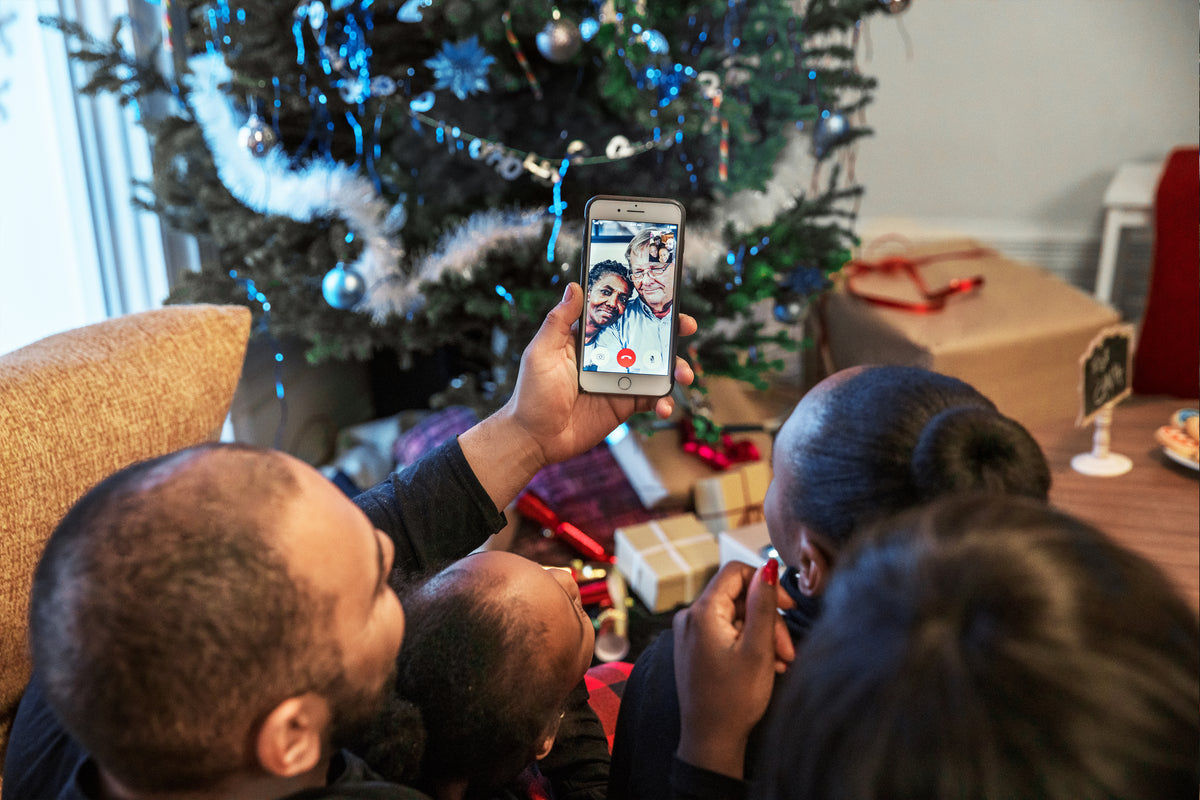
A private family word or phrase can interrupt an impersonation attempt. The FBI recommends creating one to verify identities. Choose something memorable that is not a pet name, birthday, school, sports team, street, or fact visible online, and do not store it in a publicly accessible profile.
The phrase should start a verification process, not replace it. A teen under real stress may forget it; a scammer may obtain it from a compromised chat, shared note, or family member. A correct answer increases confidence but should still be paired with calling a known number or confirming through a trusted person when money or safety is involved.
Agree on how the phrase will be used. For example, the family can ask for it without offering hints, then end the incoming call and reconnect through a known channel. Create a separate duress response so that an ordinary verification answer is not mistaken for proof that a person is speaking freely.
After a suspected exposure, replace the phrase in person or through a verified call. Do not announce the new phrase in a large group chat, email subject, or shared social post. Rehearse the routine with grandparents, caregivers, siblings, and other people likely to receive an emergency request involving the teen.
Respond carefully to a kidnapping or ransom claim
If a caller claims the teen has been kidnapped, note the exact words, caller number, background sounds, payment demand, deadline, and any location or threat. Do not challenge the caller with accusations or disclose that another adult is calling police. Contact emergency services promptly and follow the dispatcher's instructions about staying on the line, recording, payment, and communication.
Do not travel to a meeting point, attempt a rescue, or send a relative to confront someone. A false claim can still create physical danger if the family drives recklessly, visits an unknown address, or engages a person connected to another crime. Give law enforcement the original information and distinguish what the caller said from what the family confirmed.
A voice resembling the teen may be synthetic, a replay, coerced speech, or a real person used briefly before the impersonator takes over. The family does not need to solve that technical question during the call. The immediate priorities are locating the teen, involving emergency services, preventing impulsive payment, and preserving communications.
Avoid public livestreams, neighborhood alerts naming a suspect, or recordings posted for crowdsourced analysis while the teen's status is uncertain. Publicity can expose the teen's schedule and voice, spread a false allegation, reveal police tactics, and attract recovery scammers. Coordinate any public request with law enforcement and use only confirmed information.
Verify arrest, bail, hospital, and accident stories independently
A caller may pose as the teen, a lawyer, police officer, doctor, nurse, court clerk, or helpful stranger. Ask for the agency or facility name, physical address, public phone number, employee name, and case, booking, or patient reference. Then end the call and obtain the organization's number from its official government or institutional site.
Do not assume caller ID proves the call came from a police station, hospital, courthouse, or the teen. Numbers can be spoofed, and a compromised contact may display the correct name. Search results can also contain deceptive advertisements, so use a known government domain, card, official app, or directory rather than the first sponsored result.
A real institution may limit information because of privacy rules, especially when the teen is an adult. It should still be possible to verify the institution and ask how family emergencies, bail, patient contact, or legal representation are normally handled. Do not send money to a personal account merely because staff cannot disclose details immediately.
If the teen is a minor and a caller claims the teen is detained or hospitalized without parent notification, tell emergency services or the public agency number. Record whom you reached and what they could confirm. Do not state that the organization is involved in the scam unless evidence supports that conclusion; its name may simply have been borrowed.
Treat live video as a claim that still needs verification
A brief video call may show a face resembling the teen, a supposed lawyer, or an authority figure. Synthetic video, face replacement, prerecorded clips, virtual cameras, and compromised accounts can make the scene persuasive. The FBI notes that criminals may use generated video in real-time calls; the presence of moving lips is not conclusive authentication.
Do not rely on distorted hands, unusual blinking, lag, mismatched lighting, or other visual artifacts as a pass-fail test. Current deepfakes may avoid obvious errors, while ordinary compression, low bandwidth, filters, disability, or poor lighting can create them. Use the call to collect facts, then reconnect through an established route.
Ask the person to stop the payment discussion and use the family's normal verification routine. Do not demand risky performances such as moving outside, showing identification to the camera, or revealing a room. If coercion is possible, a challenge can endanger the person or disclose that the family suspects the caller.
Preserve the invitation link, account identifier, time, platform, and any recording already created by the service. Do not secretly record if local law restricts it; instead, write contemporaneous notes and ask law enforcement about preservation. A platform may retain connection or account records that are not visible in a screenshot.
Do not supply the information that makes the story stronger
Under pressure, a relative may say the teen's name first, suggest the destination, identify a friend, or explain why the voice sounds different. The scammer can adopt those details and appear informed. Use open questions such as 'Tell me the person's full name and where they are' rather than offering a set of likely answers.
Do not disclose account balances, credit limits, travel plans, the names of wealthy relatives, or which person can approve a transfer. Do not send identification, insurance cards, medical records, signatures, selfies, or verification codes. A second phase may use those details for identity theft, account takeover, or a more targeted call to another relative.
If information has already been shared, write down exactly what left the family. Secure the email account and phone number used for financial recovery, review sessions and forwarding rules, and notify relevant providers. The response should match the exposed data rather than assuming that every account has been compromised.
Warn close relatives privately that an impersonation attempt occurred and that no money request should be honored without independent contact. Share the scammer's number as an unverified identifier, not proof of the operator's identity. A spoofed number may belong to an uninvolved person or real organization.
Recognize payment methods chosen to defeat reflection and recovery
Emergency impersonators often demand a wire, payment-app transfer, gift-card codes, cash, or cryptocurrency. They may split the amount, change recipients, send a courier, direct the family to a kiosk, or claim a lawyer cannot accept ordinary payment. The unusual method and secrecy are strong reasons to stop and verify independently.
The FTC explains that scammers favor methods that are difficult to reverse and urges consumers to resist immediate payment. A caller may say the teen will be harmed, held longer, embarrassed, or charged with another offense if anyone contacts a bank or police. That pressure is part of the verification problem, not a reason to bypass safeguards.
Do not make a small 'test' transfer. A successful first payment can reveal available funds, confirm that the family is responsive, and trigger larger demands. Do not share a screenshot of the bank balance or pending transfer. A genuine institution can explain its billing or bail process through a public number and written documentation.
Do not ask another relative to pay while you verify. The scammer may target several family members at once and use each person's statements to manipulate the others. Designate one adult to coordinate facts and one to contact institutions, then provide a clear family update when the teen's safety and payment status are known.

Act immediately if money or card codes were sent
Contact the bank, card issuer, wire company, payment app, gift-card issuer, cryptocurrency exchange, kiosk operator, or delivery company through its official channel. Say that an impersonator used a family emergency story and ask whether the transaction can be stopped, recalled, frozen, or flagged. Speed may help, but no provider or guide can promise recovery.
The FTC's post-scam checklist gives method-specific steps and advises contacting the company behind the payment immediately. Keep the gift card and receipt, wire confirmation, transaction identifier, recipient details, wallet address, QR code, cash shipment tracking, and the exact time the fraud was reported.
Describe authorization accurately. A relative may have initiated a transfer after being deceived, while a scammer may separately have accessed an account or used stolen credentials. Tell the institution who clicked, typed, approved, disclosed a code, or logged in. Do not label a payment unauthorized merely because the reason for sending it was false.
Beware of a second contact claiming to be a recovery agent, bank investigator, government official, or cryptocurrency specialist. Do not pay an upfront fee, move funds to a 'safe' account, install remote-access software, or provide a code. Reconnect with the original institution through the same verified channel and add the recovery approach to the case record.
Preserve the call, message, and account trail
Save the incoming number as displayed, voicemail, call time and duration, text thread, voice memo, video invitation, username, profile URL, email headers, payment instructions, recipient information, and any claimed agency or professional. Capture enough surrounding conversation to show context. Do not edit an original audio file merely to make the voice clearer.
Write a contemporaneous note describing words, tone, background sounds, language, pauses, names, and events. Mark what is a direct quotation, close paraphrase, or later recollection. If another relative heard the call, let that person make a separate note before the family harmonizes memories through discussion.
Store originals in a restricted folder and create redacted copies for school or family coordination. The safe documentation guide explains how to preserve stable identifiers without circulating private data. Avoid uploading the recording to public 'deepfake detector' sites that have unclear retention or training policies.
A recording can document what reached the phone, but it usually does not identify the operator or prove how the audio was created. Preserve the artifact and let platforms, providers, law enforcement, or qualified experts assess metadata and account records. Do not accuse the person whose number appeared unless control is independently established.
Distinguish a cloned voice from a compromised teen account
An urgent message may come from the teen's real social, email, gaming, or messaging account. The scammer might use ordinary text, a stolen real voice note, generated audio, or a mixture. Families do not need to prove which technique was used before securing the account and stopping payments.
Check whether recovery email, phone, password, passkeys, linked devices, active sessions, forwarding rules, connected apps, or recent posts changed. Secure the primary email first from a trusted device, then the social or messaging account. Do not remove every unfamiliar session until representative evidence and provider recovery instructions are preserved, unless ongoing access creates immediate financial risk.
Tell friends that the account sent a false emergency request, but avoid repeating the entire story or attaching the synthetic audio. A concise warning should say not to send money, click links, or trust new contact details until the teen confirms through an established route. Ask recipients to preserve their own messages.
A platform's account recovery and a bank's fraud review are separate. Regaining the profile does not cancel a transfer, and reporting a payment does not remove a deceptive message. Track each workstream, its case number, and the next action instead of assuming one report reaches every organization.
Secure email, phone, and financial recovery channels
Change passwords from a trusted device when compromise is suspected, starting with the email account that resets other services. Use a unique password, review recovery methods and sessions, and enable multi-factor authentication. Do not approve prompts or disclose one-time codes to anyone who contacts the family, including a person claiming to investigate the impersonation.
Ask the mobile carrier about unauthorized SIM changes, call forwarding, voicemail PINs, and account security if calls or texts stopped unexpectedly. Use a known carrier app, bill, or store rather than a support number in an unsolicited message. A phone problem can be ordinary, so record findings instead of declaring a SIM swap without evidence.
Review financial alerts, linked accounts, payees, transfer limits, card controls, and contact information. Tell the bank which data was exposed and whether anyone installed remote-access software or screen-shared. FinCEN's deepfake fraud alert confirms that financial institutions monitor deepfake-related identity and authentication abuse, but families should simply report the facts they observed.
Do not replace every account and device automatically. Prioritize accounts used to communicate, authenticate, or pay, and follow provider guidance. Broad changes made in panic can destroy useful access, lock the teen out of school or work systems, and make it difficult to tell which recovery event belongs to the family or the attacker.
Report the fraud to the appropriate public agencies
File internet-enabled fraud details with the FBI Internet Crime Complaint Center. Include contact identifiers, the emergency story, how communication began, requested payment method, amounts, recipient accounts or wallets, transaction dates, information disclosed, and the reports already made. Save the submission confirmation because IC3 is not a substitute for contacting the bank or 911.
Submit the deceptive impersonation to ReportFraud.ftc.gov and retain the report. For unwanted or spoofed calls, families may also use the FCC consumer complaint center. The FCC ruled in February 2024 that AI-generated voices count as artificial voices under the Telephone Consumer Protection Act, but a complaint does not itself recover money.
Contact local police when money was taken, a ransom or violence threat was made, a courier or meeting was arranged, or the teen's location and physical safety remain in question. Give police the evidence index and confirmed timeline. Do not demand that a report label the audio a deepfake when that technical fact has not been established.
Record each agency, date, report number, documents supplied, and follow-up route. Update an existing report when a new transaction, threat, account, or suspect identifier appears. Repeated disconnected submissions can make the history harder to follow, while an organized supplement shows how the incident developed.

Report the content and impersonating accounts to platforms
Preserve stable profile links, usernames, message IDs, group names, and representative content before reporting, when safe. Select categories such as impersonation, scam, fraud, hacked account, extortion, or violent threat based on what occurred. Explain that the account or call used a teen's identity or likeness to create an emergency payment demand.
Do not make 'AI-generated' the only reason for the report. Platforms may have clearer rules against impersonation, fraud, account compromise, threats, or deceptive financial solicitation. State the conduct and harm, then identify suspected voice cloning or synthetic video as an observed concern rather than a proven forensic conclusion.
A platform decision is not a finding about who operated the account or whether a crime occurred. Keep the confirmation, case number, response, and URLs. If the account changes its handle or reappears, add the new identifier to the same incident timeline and update the existing report when possible.
Use the fake-account guide when a separate profile is impersonating the teen. Use the child-deepfake guide for fabricated images distributed about the child. Those problems can overlap with an emergency scam, but account removal, image removal, financial containment, and safety verification need different steps.
Handle ongoing threats and repeat demands
After a payment is refused or reported, the impersonator may escalate with countdowns, graphic claims, personal addresses, another cloned voice, or a supposed supervisor. Do not let increasing theatrical detail replace independent verification. Preserve the new communication, update police when threats are credible, and follow the family's unknown-call plan.
Knowledge of the teen's school, room, friends, or recent posts may come from public or compromised information. Review what was exposed and adjust routines proportionately. If an address, schedule, or other identifying data is posted, use the teen doxxing response guide alongside law-enforcement and school safety planning.
Do not continue as the teen to trap the caller, send tracking links, arrange a meeting, or threaten exposure. Those actions can escalate danger, contaminate evidence, or identify an uninvolved person behind a spoofed account. Let the institution or investigator handling the matter decide whether further contact is useful.
Block after essential preservation and safety coordination, unless police or a platform asks for a different approach. Silence unknown callers only if it will not interfere with the teen, emergency responders, bank, or investigator reaching the family. Route communications through one adult so that repeated demands do not destabilize every relative.
Coordinate with school, travel, and activity contacts
Tell the school when the scam used school accounts, schedules, staff names, campus locations, student contacts, or a claim that the teen was injured or detained during school. Ask for one coordinator who can verify attendance, preserve school-system messages, address peer targeting, and limit unnecessary circulation of the synthetic media.
For trips, sports, camps, performances, or work shifts, contact the known supervisor or organization. Provide a narrow question about safety and location rather than the full financial story. A rumor that a teen was kidnapped or arrested can create lasting harm even after the family confirms that the teen is safe.
If another student appears to have sent the message, do not confront or publicly name that student. Their account may be compromised, their number may be spoofed, or they may also be a target. Preserve the identifier and let the school, platform, or law enforcement assess account control and appropriate safeguarding.
Ask the school or organization not to forward the cloned audio broadly for awareness. It may contain a child's voice, encourage further copying, and provide material for additional impersonation. A text description of the pattern and a verification protocol usually teaches the safety lesson without redistributing the artifact.
Support the teen without making them investigate the scam
A teen may feel violated that their voice or face was used, guilty that relatives were frightened, or angry that adults are checking their accounts. State clearly that the impersonator created the deception. The teen can help identify normal channels and recent exposures without becoming responsible for proving the fraud or contacting every recipient.
Ask what the teen wants friends, school, and extended family to know. Use a limited factual statement: someone impersonated the teen in an emergency money request; the teen is safe; recipients should not send money and should preserve messages. Avoid posting the synthetic clip or speculating about who made it.
Do not remove every social connection indefinitely as punishment. Review public audio, follower lists, live streams, privacy settings, and direct-message permissions with the teen, then choose measures tied to identified risks. Explain that reducing exposure can make targeting harder but cannot guarantee that existing recordings disappear.
Watch for disrupted sleep, panic around calls, avoidance, shame, or school difficulty, and offer support without diagnosing a condition. A counselor, pediatric clinician, victim advocate, or school support person may help if distress persists. Immediate self-harm or violence concerns require emergency or crisis services, independent of whether the impersonation is solved.
Reduce publicly available voice and location material
Review which accounts expose clear speech, long monologues, names, routines, travel dates, relatives, schools, and location tags. Consider making accounts private, limiting followers to known people, removing unnecessary public recordings, and delaying travel posts. The FBI recommends limiting public voice and image content where possible, but deletion cannot guarantee copies no longer exist.
Prioritize material that combines a voice with identity context: introductions, birthday posts, school announcements, tagged family videos, public livestream archives, and voicemail greetings naming the person. Ask organizations to minimize public personal details when there is a specific risk. Do not demand that the teen erase legitimate creative or community participation without discussing alternatives.
Separate public contact information from recovery channels used for email, banking, and important accounts. Avoid publishing the same phone number used for password resets. Use platform controls for mentions, tags, downloads, remixes, and message requests when available, understanding that controls vary and cannot prevent screen recording.
Remove obsolete accounts and revoke third-party access that is no longer needed. Check shared family albums, gaming profiles, club pages, team rosters, and relatives' public posts, not only the teen's main profile. Ask before changing someone else's content and keep the focus on practical exposure reduction rather than blame.
Build a family emergency verification plan
Create a one-page plan listing the teen's verified numbers, two backup contacts, school or travel contacts, the family phrase, bank fraud routes, and the rule that no emergency payment is sent during an incoming call. Store it where caregivers and grandparents can find it without placing passwords or full account numbers in the document.
Choose roles: one person verifies the teen, one handles the caller if appropriate, one contacts emergency services, and one contacts the bank if money moved. A single adult can perform the same sequence step by step. The value of the plan is that fear does not decide the order of operations.
Practice with a hypothetical call twice a year. The exercise should include a convincing voice, secrecy demand, new phone number, and unusual payment method. End the simulation by calling a known route and updating the family group. Do not surprise relatives with a realistic fake kidnapping call; explain and consent to the drill beforehand.
Update the plan after phone changes, travel, school transitions, custody changes, or new caregivers. Make clear that a forgotten code word does not mean the teen is abandoned. The family will still verify through multiple trusted routes and involve emergency services whenever facts indicate immediate danger.
Learn from a hypothetical cloned-voice ransom call
Hypothetical example: a parent hears a crying voice that resembles their daughter. A man says the teen caused a crash and will be hurt unless the parent sends cryptocurrency within ten minutes. Caller ID displays the teen's number, and the voice uses a family nickname. The parent does not argue about whether the clip is artificial.
Another adult calls the teen's saved number and a teammate while the parent notes the demand and location claim. The teammate confirms that the teen is at practice and hands over the phone. The family calls police because a kidnapping threat was made, preserves the call record, and submits reports without posting the audio.
The parent also contacts the mobile carrier and reviews the teen's accounts because caller ID and private details were used. They learn that displayed caller ID can be spoofed and that the nickname appeared in public comments. Those facts explain possible sources without identifying a particular operator.
The example shows why families verify the person and event through an independent path rather than trying to diagnose a voice in real time. It does not prove that every urgent call is false or that every voice clone can be detected. Credible danger still goes to emergency services.
Learn from a hypothetical hacked-account voice note
Hypothetical example: a grandparent receives a voice note from the teen's real messaging account saying a phone was stolen during a trip and money is needed for a hotel. The note sounds natural, the profile history is intact, and a new payment-app handle appears in the next message.
The grandparent pauses and calls the teen through the saved number. The call fails, so they contact the parent and trip leader through numbers already held. The teen is safe, and the trip leader explains that several students' messaging accounts were targeted after a phishing link circulated.
The family secures the primary email and messaging account, preserves the active-session and recovery changes, reports the payment request to the platform, and warns recipients not to send money. They do not claim that the voice note was generated; it may have been synthetic, stolen, or assembled from real audio.
The example illustrates why a real account and familiar voice are not two independent proofs. When both arrive through one compromised channel, verification must move outside it. Account recovery, recipient warnings, platform reporting, and the financial response are tracked as separate tasks.
Use a first-hour response worksheet
Make five boxes: teen's safety, independent contacts, caller identifiers, money status, and exposed accounts or data. Under each box, write one confirmed fact, one unknown, the responsible adult, and the next official contact. This keeps the family from spending the hour replaying audio while a transfer or account takeover continues.
For safety, record the last confirmed location and who is checking it. For the caller, record time, number, account, exact demand, and threat. For money, list method, amount, status, recipient, and provider case. For accounts, list credentials, codes, documents, or device access that left the family.
Contact emergency services for credible immediate danger; contact the payment provider for money already moving; secure recovery channels for account compromise; then make agency and platform reports. These steps can occur in parallel. Do not wait for an AI detector, online commenter, or paid investigator to decide whether the media is synthetic.
End the hour with a written handoff and a time for the next update. Confirm who holds originals, who answers institutions, and what the teen and relatives should do with new messages. Restore ordinary needs such as medication, transportation, food, and sleep once immediate safety and financial actions are underway.
Follow a seven-day containment and recovery plan
During the first day, verify safety, stop or report payments, secure accounts, preserve evidence, and make urgent reports. During days two and three, complete the timeline, obtain transaction records, identify every recipient, and coordinate with school, travel, work, or relatives only where their systems or decisions are involved.
During days four through seven, follow up on bank, platform, carrier, police, IC3, FTC, and FCC case numbers as relevant. Add material changes to existing reports. Review identity exposure, account alerts, unfamiliar sessions, and new impersonation attempts without repeatedly downloading or playing distressing media.
Update the family verification plan, replace any exposed phrase, narrow public information, and check that grandparents or caregivers understand the independent call-back rule. Avoid turning a one-week response into permanent surveillance of the teen. Keep controls that address a documented risk and review broad restrictions after the incident stabilizes.
Schedule a later check for account correspondence, payment decisions, identity misuse, emotional effects, and reappearing profiles. A quiet week does not prove that every copy or financial issue is resolved. Conversely, a platform's refusal to remove an account does not prove that the message was authentic or the operator known.
Evaluate detection tools and technical help cautiously
Automated tools may estimate whether audio or video contains synthetic patterns, but results can vary with compression, background noise, editing, recording length, language, and the generation method. A score should not decide whether to call 911, send money, accuse a person, or dismiss a teen's report. Independent verification remains the safer operational test.
Before uploading family media, read the service's privacy, retention, sharing, and model-training terms. The sample may contain a child's voice, phone numbers, location details, or threats. Prefer a provider recommended by law enforcement or qualified counsel when technical analysis is genuinely needed, and send a working copy rather than the only original.
Ask any expert to state qualifications, methods, limitations, confidence, and what question the analysis can answer. 'Likely synthetic' does not identify the creator or prove fraud, while 'no synthetic signal detected' does not authenticate the speaker. Preserve the report, version of the tool, input hash, and chain of custody if the matter may become disputed.
Do not hire a person who guarantees identification, takedown, recovery, or prosecution after viewing a clip. Verify businesses independently and watch for requests to pay in cryptocurrency, share account credentials, or install software. Families already targeted by an emergency scam can be attractive targets for paid recovery and investigation schemes.
Avoid public accusations and false certainty
A displayed number, payment recipient, voice resemblance, username, or profile photo may be spoofed, stolen, compromised, or used by an intermediary. Preserve those identifiers without naming a classmate, former partner, relative, or stranger as the creator. Platforms and investigators may have login, device, subscriber, and transaction records unavailable to the family.
Use careful language: 'we received a call using a voice that sounded like our teen and demanding money' is supportable. 'This person cloned our teen and committed kidnapping extortion' adds identity and technical conclusions that may not be established. Accurate descriptions help reports and reduce harm to uninvolved people.
Do not claim a service can trace all copies, prove a model, or remove the media everywhere. A platform may delete a post while copies remain in messages or downloads. A bank may identify a recipient account without revealing the owner to the family. Keep confirmed outcomes separate from requested actions.
If the family needs to make a public safety statement, coordinate it with police, school, platform, or counsel and disclose the minimum. Do not publish the synthetic media merely to prove it exists. Repetition can increase the teen's exposure and supply others with a usable voice sample or a script for copycat attempts.
Prepare for a legal consultation without expecting a guaranteed outcome
Bring the chronological log, original and working copies, call and account identifiers, payment records, provider cases, agency reports, platform responses, information exposed, and a list of recipients. Mark each item as confirmed, claimed, suspected, or unknown. Note the teen's age and jurisdiction at the time of each event.
Ask how local law may address impersonation, fraud, extortion, threats, privacy, publicity rights, synthetic media, account access, recordings, evidence preservation, and claims against known actors. Ask about deadlines and subpoenas from a lawyer qualified in the relevant jurisdiction; do not calculate them from a national article.
Financial recovery, criminal reporting, platform moderation, emergency response, school safety, and any civil claim are separate workstreams. A police report does not guarantee prosecution, a platform removal does not establish liability, and suspected AI use does not by itself create a particular claim. Facts, identity, harm, jurisdiction, and available remedies matter.
Social Suit provides general educational information and does not claim to have reviewed an individual case. Families who believe serious social-media-related harm may involve legal options can read the organic eligibility explainer. That route does not replace 911, a bank fraud report, account recovery, IC3, or advice from qualified counsel.
Use a decision path for the next suspicious emergency contact
First ask whether there is a specific, credible, immediate danger. If yes, contact emergency services and provide the claim without overstating verification. Second, contact the teen or trusted person through an established route. Third, stop any payment and contact the provider. Fourth, secure accounts and preserve the communication.
If the teen is reached and safe, tell the caller nothing further, preserve the attempt, warn likely recipients, and report through appropriate channels. If the teen cannot be reached, continue the welfare check with school, work, travel, friends, or police. Lack of contact is a reason for structured verification, not automatic proof of kidnapping.
If money already moved, report it immediately even while the teen's location is being checked. If credentials or codes were shared, secure the recovery account and tell the provider. If a real account sent the demand, treat it as potentially compromised. No single workstream should wait for a technical verdict on the media.
Close each response with a written status: teen safety, money, accounts, evidence, reports, owner, and next follow-up. The practical goal is not to outsmart a voice clone during one call. It is to create enough independent friction that a convincing imitation cannot control the family's safety and financial decisions.
Sources and further reading
These primary resources provide context. Our practical examples and planning suggestions are original educational material, not validated treatment protocols. Linked organizations do not endorse Social Suit.
- FTC: Scammers Use AI to Enhance Family Emergency Schemes
- FTC: Scammers Use Fake Emergencies to Steal Your Money
- FTC: What To Do if You Were Scammed
- FBI IC3: Criminals Use Generative Artificial Intelligence to Facilitate Financial Fraud
- FBI: Senior U.S. Officials Impersonated in Malicious Messaging Campaign
- FCC: AI-Generated Voices in Robocalls
- FinCEN: Deepfake Media Fraud Alert
- FBI Internet Crime Complaint Center
- FTC ReportFraud
- FCC Consumer Complaint Center