 Social Suit

Educational information, not individual medical or legal advice. Practical examples are hypothetical and do not describe clients or study participants. This article is not represented as reviewed by a clinician or attorney. How we prepare our guides.
Begin with safety and the teen’s account
When a teen says another player is targeting them, begin with: ‘I am glad you told me. You are not losing every game or friendship because you asked for help. First we will work out what happened, whether anyone knows where you are, and which part needs action now.’ That makes disclosure safer and keeps the response proportional.
Ask whether the player threatened a real-world attack, named the teen’s address or school, threatened swatting, demanded money or sexual material, shared a password, arranged an in-person meeting, or urged self-harm. If anyone is in immediate danger, call 911 or local emergency services before trying to document every message or match.
Do not begin by criticizing the game, the teen’s skill, the amount of time played, the username they chose, or why they stayed in the party. A heated match may explain the setting, but it does not excuse stalking, coercion, threats, discriminatory abuse, or publishing private information.
Let the teen describe what they directly heard or saw and how often it happened. They may feel angry, humiliated, frightened, betrayed by teammates, or mainly worried about losing a guild and progress. Do not require a particular reaction or diagnose distress from one conversation. The first task is a clear safety map.
Identify the exact gaming environment
Write down the game, device, console or storefront account, server or realm, match mode, party or guild, voice service, connected streaming account, and any companion app such as Discord. Harassment can cross several systems, and each system has different logs, privacy controls, moderators, and report routes.
Record the player’s displayed name, stable account ID when visible, profile URL, clan tag, server, time zone, match ID, lobby, and approximate time. Display names can change and several people can use similar names. Do not treat a screen name, avatar, voice, or claimed age as verified identity.
Separate in-game text, proximity voice, console party chat, livestream comments, direct messages, forum posts, and off-platform messages. A developer may review only the conduct inside its game, while the console network or chat service may control the account or message used elsewhere.
Also identify whether the teen knows the player from school, a local team, or only online. A school connection changes the safety and support plan, but an online claim that someone attends the same school is not proof. Preserve the claim and verify through appropriate adults rather than testing it publicly.
Distinguish conflict, toxicity, bullying, and danger
A disagreement over strategy, one rude remark, repeated personal targeting, identity-based abuse, exclusion from a team, a threat, doxxing, stalking, account theft, grooming, and extortion are different problems. Use the narrowest accurate label so the family selects the right report category and urgency.
StopBullying.gov explains that cyberbullying can occur in online gaming communities and can include harmful, false, or mean content or the sharing of private information. Repetition, power differences, public audience, coordinated players, and movement across accounts can make ordinary conflict more difficult for a teen to stop.
Competitive trash talk is not a free pass for credible threats, sexual harassment, slurs, publication of personal information, or commands to self-harm. At the same time, a platform report should quote the specific prohibited behavior rather than say only that a player was toxic.
Ask what happened before and after the incident. Context can clarify whether a phrase was part of gameplay, a repeated real-world threat, a retaliatory report, or an edited clip. Context does not require the teen to tolerate severe conduct before blocking or leaving.
Use a first-hour triage
Put immediate danger first, then location exposure, account access, sexual exploitation, financial loss, ongoing contact, and ordinary moderation. A real-world threat or swatting warning may require law enforcement; an account takeover requires recovery; harassment without immediate danger may begin with muting, evidence, blocking, and reporting.
Choose one adult to coordinate and one restricted incident log. Another adult can stay with the teen, handle school contact, or protect household accounts. Several relatives joining the game, messaging the player, and organizing mass reports can increase attention and create new conduct for moderators to review.
Ask what outcome matters most today: ending voice contact, protecting the home address, staying with safe teammates, recovering an account, getting through school, keeping a tournament place, or reporting a threat. Naming the first goal prevents a broad ban on gaming from becoming the only response.
Do not promise permanent deletion, a console ban, an arrest, proof of identity, or a specific school consequence. Promise the actions the family controls: safety, minimal evidence, targeted reports, account security, honest updates, and qualified help when the facts require it.
Preserve useful evidence without recording everything
Before blocking when it is safe, record the account ID, platform, game, server, match or party, date, local time and time zone, exact words or conduct, and witnesses. Capture the specific message or profile and enough context to identify it. Avoid collecting hours of ordinary gameplay.
For voice chat, note who appeared in the party, who was speaking, what the teen recognized, and which service carried the audio. A teen’s recollection is evidence of what they experienced, but it may not establish which account controlled a voice or whether a clip contains the complete exchange.
Do not secretly enter someone else’s account, install monitoring software, impersonate the teen, or provoke another threat. Use built-in report tools and preserve permitted materials. The online-harm documentation guide covers originals, working copies, redaction, access logs, and retention review.
Store permitted files in a restricted folder, not a public clip channel, school drive, or family group chat. If sexual imagery of a minor appears, do not download or forward it. Record the online location and follow NCMEC or law-enforcement instructions.
Use built-in voice-chat reporting correctly
Voice reports often capture only a limited recent window. Act promptly, select the correct speaker when possible, and report the specific segment rather than an entire frustrating session. If the system offers ‘unsure’ for speaker identity, use it instead of guessing.
PlayStation’s current reporting instructions say PS5 players can report a 40-second clip drawn from the last five minutes of voice chat, with 20 seconds selected by the user and ten seconds automatically added before and after.
PlayStation also states that its voice feature does not actively monitor or record conversations and that voice-chat reports are recorded for investigation. This is a platform process, not a guarantee that every exchange is available. Record the party, time, and report confirmation separately.
Do not replay abusive audio repeatedly for the teen or share it publicly to prove what happened. One controlled review may be enough to identify the report segment. A moderator needs context; an online audience does not.


Report the content, account, and game session separately
A platform may offer separate reports for a message, voice segment, profile, username, screenshot, stream, server, or player. Report the specific item and then the account when both options apply. This gives reviewers a locatable object rather than a general complaint about someone’s reputation.
Use the closest category: harassment, hate speech, threats, personal information, sexual content, impersonation, cheating, account theft, or child safety. Describe the exact conduct, where it occurred, and why it creates risk. Do not add unsupported claims about the player’s identity or criminal history.
If the game has its own reporting system and the console network carried the chat, report through both relevant systems. StopBullying.gov advises players to block and report the person to the game group, team, platform, community, or developer, then seek support from a trusted adult.
Save confirmation numbers, status messages, and appeal instructions. A removal, warning, suspension, or denial is a moderation outcome, not a legal finding about identity, intent, truth, or damages.
Block, mute, leave, or change lobbies strategically
Muting can stop immediate audio while preserving the ability to play. Blocking may prevent direct messages, invitations, or party access. Leaving a lobby or server can end exposure fastest. Choose the smallest step that makes the teen safe, then reassess whether broader privacy changes are needed.
PlayStation’s current player safety guide explains that users can control who sends messages, friend requests, game invitations, and voice or chat invitations, and can block players so they cannot message or join a party.
Do not require the teen to announce the block or deliver a final argument. A silent exit is appropriate when engagement is feeding the conduct or revealing more information. If a short boundary is safe, ‘Stop contacting me’ can be enough; the teen does not owe a debate.
Leaving one server does not solve contact through a connected chat app, stream, forum, or school group. Review the route map and close each channel that the harassing player actually used rather than changing every account indiscriminately.
Handle Discord or companion-chat harassment
Discord servers, direct messages, and game communities may carry conduct that began in a match. Record the server, channel, message link, account ID, date, and relevant context. Do not copy an entire private server when one message and the surrounding exchange identify the violation.
Discord’s current Safety Library tells users to select the specific message, choose Report Message, and select the most relevant abuse category. It also advises contacting local law enforcement when a credible violent threat creates immediate danger.
Discord’s bullying, harassment, and threats policy prohibits threats of physical harm, hacking, disclosure of personal information, and disclosure of private sexual content. Report the exact threat and leave servers dedicated to prohibited conduct rather than remaining to investigate participants.
A server moderator can remove content or members but is not the same as Discord’s safety team. Record which report went to the server and which went to the platform. Do not assume a moderator’s friendship with a player establishes the platform’s position.
Use Roblox reports for the exact experience or chat
On Roblox, report the specific chat, private message, experience, or other content rather than only the user’s profile. Roblox’s current reporting guide says the Report Abuse tool lets moderators see what the person did wrong.
Record the experience name, server or session, player display name and username, time, and the item reported. Roblox display names can be less stable than usernames. Do not identify a real-world child from the avatar or profile claims.
Roblox also provides blocking controls. Blocking can stop direct interaction, but it does not prove that content was reviewed or removed. Keep the report confirmation and check whether the same player appears through a new account without asking the teen to search constantly.
If a player asks for passwords, personal information, an off-platform link, or a download, leave the experience and report it. Roblox’s account-safety guidance warns users not to provide login information and not to trust unfamiliar or unusual links.
Respond to streaming and spectator harassment
A teen who streams may face harassment in chat, raids, donations, clips, direct messages, or coordinated entry into the game. Pause or end the stream if location, identity, or immediate safety is at risk. A live audience is not the right place to investigate a threat.
Use follower-only, subscriber-only, verified-account, slow-mode, keyword, and moderator tools where available. These controls manage exposure; they do not excuse severe conduct or replace a report. Keep one trusted moderator who can capture the account and message without debating the attacker.
Twitch’s current harassment guidance says one detailed user report is more effective than many generic reports. Report the account and specific conduct, then use ignore, ban, timeout, or other channel controls as appropriate.
Do not publish a compilation of abuse as content without considering whether it reveals the teen’s name, face, school, location, or vulnerable reaction. A private evidence clip and a public response serve different purposes.
Protect names, location, and household information
Review the gamer tag, profile biography, linked social accounts, stream overlays, donation pages, photos, voice comments, friend lists, and old posts for a real name, school, town, sports team, workplace, time zone, windows, mail, landmarks, or recurring schedule.
Remove unnecessary public details and separate the gaming identity from personal accounts where practical. Change privacy settings for friends, messages, parties, and activity. Do not publish that the family has left home or name the safe location while responding to a threat.
If an address, school, phone number, or family member is published, use the teen doxxing guide for search removal, school safety, household planning, and data-broker review. Source removal and search-result removal are separate tasks.
Tell household members what information not to confirm. A caller who already knows one detail may use it to obtain another. Family members should not argue with unknown players or reveal whether the teen is home.
Treat swatting threats as a real safety category
Swatting is a hoax report designed to bring an armed emergency response to a person’s location. A player’s casual use of the word may be a bluff, but a family should not test that assumption when the person has an address, shares specific plans, or shows other evidence of intent.
The FBI’s April 29, 2025 swatting alert recommends reviewing public personal information, using strong unique passwords and multi-factor authentication, making a family plan, preserving usernames and platform details, and reporting threats to local law enforcement.
For an immediate threat to life, call 911. For a non-immediate swatting threat, contact local law enforcement through the appropriate non-emergency route and explain that the family received an online hoax-threat warning. Ask how the agency wants future information reported.
If officers arrive, stay calm, keep hands visible, and follow commands. Family planning should focus on a safe response, not on predicting exactly how dispatch or officers will act. Do not confront the threatening player or publish the police contact as a challenge.
Escalate credible violence threats correctly
A credible threat may include a named target, real location, method, weapon reference, time, repeated surveillance, or movement toward an offline confrontation. No single clue proves capacity or intent. Preserve what was said and let emergency services or law enforcement assess the threat.
Do not reply with threats, arrange a meeting, ask friends to identify the person, or travel to a claimed address. Account information can be false or stolen. Public accusations may target the wrong person and alert the actual sender that the family is collecting evidence.
Use the online-threat guide for an expanded decision tree, school and household planning, evidence boundaries, and reporting. A platform block can reduce contact but cannot resolve a real-world safety risk by itself.
Record the exact words rather than paraphrasing them into a more serious or less serious statement. Note whether the threat was voice, text, a game action, a profile name, or a third-party report. Preserve uncertainty about speaker and account control.
Recognize grooming and coercive migration
Be alert when an older or unknown player offers gifts, game currency, rare items, coaching, or status, then asks the teen to move to a private app, hide the relationship, share personal images, join late-night calls, or perform escalating tasks.
The FBI’s current kids and teens online-safety guidance advises young people not to accept invitations to move to a private platform or chat from people they do not know, and not to bully, threaten, or dox others.
Do not pose as the teen to continue the relationship or try to trap the person. Preserve account identifiers and the request, stop contact, report through the platform, and use NCMEC or law enforcement when child exploitation may be involved.
The suspected-grooming guide covers secrecy, gifts, sexual requests, adult-minor contact, CyberTipline reporting, and support in greater depth. Friendship, mentorship, and exploitation must be distinguished by observable conduct.
Respond to sexual harassment or sextortion
Sexual comments, demands for images, threats to reveal private sexual content, and requests for game currency in exchange for sexual material require specialized action. Stop contact, preserve identifiers and demands, and do not pay or send more material.
The FBI says predators may target children through online games, consoles, livestreaming, and messaging apps. Even when a victim pays or complies, demands can continue. A profile image, voice, or claimed age does not verify the person behind the account.
Use the sextortion guide and the NCMEC CyberTipline. If sexual imagery of a minor appears, do not download, forward, or email it. Record the online location and follow official instructions.
Reassure the teen that disclosure is more important than game rules, purchases, secret chats, or an image they regret. Adults can address account or family rules later. Safety should not depend on the teen having made perfect choices.
Secure the gaming and email accounts
Look for unfamiliar login alerts, changed recovery information, purchases, messages, linked devices, friend changes, or inventory transfers. Secure the email account that controls password resets, then the console, storefront, game, chat, streaming, and payment accounts.
Use unique passwords, sign out unknown sessions, enable multi-factor authentication, review recovery methods, and remove unrecognized linked apps. Do not reuse one new password across services. Save recovery confirmations without publishing the recovery address or authentication method.
If the teen entered credentials on a link, downloaded a cheat, mod, bot, or file, or shared a code, use a trusted device for recovery and scan the affected device. The hacked-account guide provides a deeper recovery checklist.
Account security will not recall screenshots, audio clips, or personal information another player already copied. Treat recovery and removal as parallel tracks. Do not reset the device before preserving information needed for a serious report unless immediate security requires it.
Protect purchases, skins, and virtual items
Harassment can be connected to stolen items, chargeback threats, marketplace scams, account boosting, wager disputes, or demands for currency. Record the transaction ID, official receipt, platform, item, date, and payment method without sharing full card details in a game chat.
Use the platform’s official purchase and fraud support. Contact the payment provider through its official website or statement number for unauthorized charges. Do not pay a player privately to recover an item or account; that can create another loss without restoring access.
Distinguish an unauthorized transaction from a purchase the teen approved because of deception. The dispute process and evidence may differ. Do not promise reimbursement, item restoration, or a ban. Preserve receipts and state the facts accurately.
Remove saved payment methods if the account remains exposed and review family purchase controls. A financial response should not turn into public accusations about a player whose identity has not been verified.
Address coordinated groups and repeat accounts
A group may rotate accounts, follow the teen across servers, flood friend requests, mass-report the teen, or clip reactions. Create a pattern log with dates, accounts, shared phrases, server changes, and report outcomes. Do not claim the accounts are controlled by one person unless the platform or reliable evidence establishes it.
Tighten invitation, message, party, and friend settings temporarily. Use invite-only lobbies or a trusted server where practical. Ask teammates not to reveal the teen’s alternate account, schedule, or location and not to invite unknown people into private parties.
Report coordinated conduct with a concise summary and a few representative examples. Do not submit dozens of identical reports or organize followers to mass-report. Discord’s safety guidance specifically warns against duplicate or malicious reports and group-report campaigns.
If the conduct persists across accounts and includes threats, stalking, or doxxing, escalate beyond routine moderation. A pattern can matter even when each individual message appears minor, but the family should still preserve exact examples and avoid speculation.
Bring school-connected gaming harassment to the school
Contact the school when students are involved and the conduct affects attendance, learning, safety, teams, or in-person relationships. Provide a short chronology, the important account or message evidence, the school impact, and the action requested. Do not send hours of gameplay or a complete server archive.
Ask for a named contact, anti-retaliation plan, safe person, method for reporting new incidents, and follow-up date. The school may not control a private game server, but it can address school disruption, threats, discriminatory harassment, and student safety under applicable policies.
Do not promise the teen that another student will be suspended or reveal confidential discipline. Ask instead how the school will protect access to education and prevent retaliation. Keep platform moderation and school discipline as separate processes.
If the conduct is identity-based, sexual, or disability-related, name those facts accurately. The cyberbullying guide covers school reporting, bystanders, documentation, and support beyond the gaming-specific tools here.
Support teammates and witnesses
Trusted teammates can stop laughing or repeating the abuse, mute or remove the player, report the specific conduct, provide the match ID, and stay with the teen in a safer party. They should not threaten retaliation, publish private information, or bait the player into a worse statement.
Give friends one simple request: ‘Do not repost the clip or argue. Save the match or message identifier, make your own truthful report, and send the confirmation to this adult.’ Independent truthful reports are different from a coordinated campaign using copied claims.
A witness should distinguish what they personally heard from what another player said happened. Voice overlap, lag, usernames, and edited clips can create confusion. Honest uncertainty strengthens a report more than confident guessing.
Friends can also provide ordinary connection after the report: a different game, a private match, a walk, homework, or a call unrelated to the incident. Support should not require replaying the abuse all evening.

Avoid punishing the teen with total disconnection
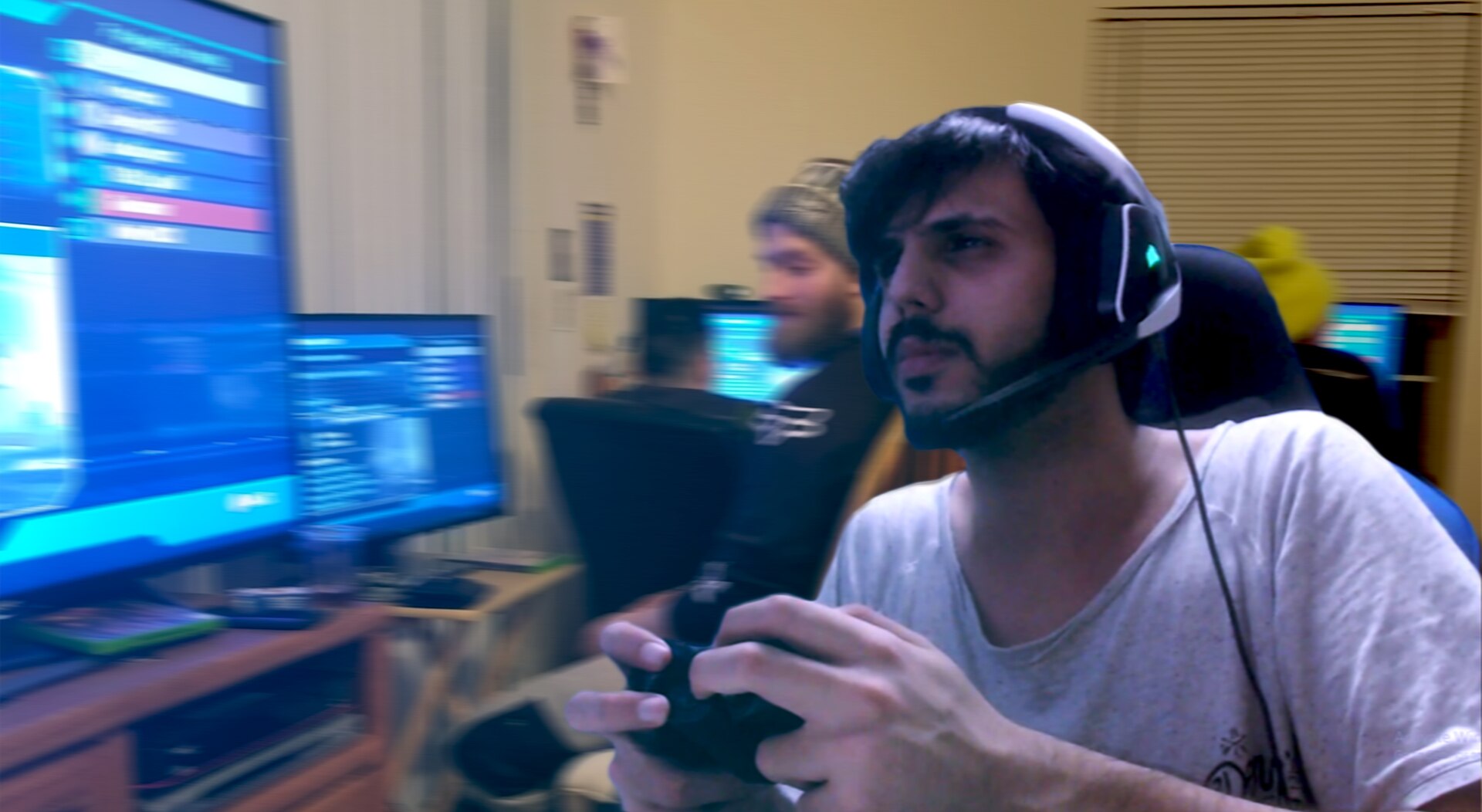
Removing every device and friendship may stop immediate contact, but it can also punish disclosure and isolate the teen from safe teammates. Use temporary, targeted restrictions tied to the actual risk: one server, one account, public streaming, late-night voice, or unknown direct messages.
Explain the reason, duration, and review date. For example: public streaming pauses for 72 hours while location details are removed; play continues in a private party with known friends. A specific plan is easier to follow than an indefinite ban based on fear.
If the teen repeatedly returns to a dangerous group, ask what they are getting there—status, belonging, rare items, romance, competition, or fear of retaliation. Addressing that need can be more effective than another unexplained confiscation.
Restore independence as risk decreases. Keep low-burden security improvements, but do not make permanent surveillance the price of asking for help. A teen who expects total loss may hide the next serious incident.
Respond to emotional distress without diagnosing
Check sleep, appetite, concentration, school attendance, physical symptoms, willingness to be alone, and whether the teen avoids all friends or games. Ask directly about hopelessness, wanting to disappear, or thoughts of self-harm. Asking creates a route to disclose; it does not assign a diagnosis.
For immediate danger, call 911 or local emergency services. In the United States, call or text 988. Stay with the teen, reduce access to lethal means, and follow the responder’s instructions. A moderation report is not a crisis plan.
For persistent distress that is not an emergency, contact the teen’s pediatrician, primary-care clinician, therapist, or school counselor. Describe observable changes and the incident rather than declaring that gaming caused a mental-health condition.
Preserve ordinary routines: meals, sleep, school, movement, offline interests, and safe social contact. The goal is not to prove resilience by returning to the same lobby immediately. Recovery can include a pause, a safer game community, or a different role.
Create a 24-hour action plan
During the first day, confirm safety, record essential identifiers, secure accounts, report the specific content, block or mute the player, protect location details, and contact the school or authorities when the facts require it. Assign each action to one person and record the status.
Separate urgent from important. A swatting threat, exploitation, live account intrusion, or real-world confrontation comes before changing every privacy setting. Ordinary settings can wait until the teen is safe and the primary report is preserved.
Send one focused message to trusted teammates and one focused report to each relevant platform. Do not post a public call for help that names the teen, server, address, or suspected player. Avoid mass reporting and public challenges.
End the day with a brief update: what was reported, what is pending, what the teen should do if contact resumes, and when the next check occurs. Then do something unrelated to the incident. A response needs boundaries.
Create a seven-day stabilization plan
Over the next week, review report outcomes, appeal eligible denials, check account sessions and purchases, adjust privacy settings, follow up with school, and monitor the teen’s functioning. Reduce searches that produce no protective action.
Decide whether the teen can return to the same game with a private party, needs a different server, should pause streaming, or would prefer another activity. The decision should reflect risk and the teen’s goals, not a belief that all online gaming is harmful.
Review the incident folder and remove unnecessary duplicates. Keep materials needed for active platform, school, financial, police, or legal processes. Do not retain humiliating voice clips indefinitely merely because storage is available.
Set a review date with the teen. Ask what improved, what contact continued, whether restrictions are still proportionate, and what support is missing. A plan should shrink as the threat stabilizes.
Use a family gaming-safety worksheet
Create four columns: observation, source, action, and status. An entry might read: ‘Player stated the home street in PS5 party at 8:14 p.m.; teen and teammate heard it; voice report submitted; local police non-emergency contact pending.’ Keep conclusions out of the observation column.
Add a route map for game, console network, chat app, streaming service, school connection, email, and payment account. Mark only the routes actually used. This prevents a family from changing dozens of unrelated accounts while missing the companion app where contact continues.
Add a risk checklist for immediate danger, location, swatting, sexual requests, extortion, account access, purchases, school involvement, and self-harm distress. Each checked item needs a responsible adult and next step.
Finish with three teen-centered questions: ‘What do you want adults to understand? What outcome matters this week? Which safe teammate or adult should be involved?’ Revisit the answers as facts and risk change.


Avoid common mistakes
Do not join the lobby to threaten the player, publish their alleged identity, seize another person’s account, install spyware, buy a promised hacker service, pay an extorter, or organize a mass-report campaign. These responses can increase risk and create new violations.
Do not delete the teen’s account or reset the device before preserving essential information, unless immediate security requires it. Do not share abuse clips publicly, send sexual imagery, or email a massive archive to the school.
Do not minimize everything as gaming talk, but do not describe every insult as a credible threat or crime. Use observable words, routes, repetition, location knowledge, and actions. Precision helps moderators, schools, clinicians, and law enforcement choose the correct response.
Do not make safety support conditional on the teen’s gameplay, language, purchases, or rule-following being perfect. Families can address the teen’s mistakes and protect them from severe conduct at the same time.
Know when legal advice may be useful
Consider qualified legal advice when the conduct involves credible violence threats, stalking, swatting, substantial doxxing, extortion, sexual exploitation, account intrusion, major financial loss, persistent discriminatory harassment, or serious school-access problems. Laws and deadlines depend on jurisdiction and facts.
Bring a concise chronology, account identifiers, report confirmations, original messages or permitted clips, school communications, security alerts, and the questions the family wants answered. Ask for a secure method before sending sensitive material.
Platform rules, school discipline, police investigation, civil claims, and criminal prosecution use different standards and decision-makers. A ban is not an admission; a denial is not proof that conduct was lawful; a report is not a finding.
For serious harm potentially connected to online conduct, Social Suit’s legal-options explainer describes an independent eligibility enquiry. An ordinary rude match, moderation disagreement, account suspension, or lost virtual item does not automatically establish legal eligibility or compensation.
Respond fairly when the teen is also reported
Sometimes both players report each other, or the teen receives a warning while reporting someone else. Preserve the enforcement notice, the content named, the appeal route, and the teen’s account of what occurred. Do not assume that being targeted means every response the teen made complied with platform rules.
Review the teen’s own messages and clips honestly. If they used threats, slurs, harassment, cheats, or private information, address that conduct without withdrawing safety support. A platform can act on both accounts, and one player’s violation does not erase another player’s more serious conduct.
Use the platform’s appeal process with a concise explanation and relevant context. Do not submit repeated appeals, invent witnesses, or ask friends to provide copied statements. A factual appeal can acknowledge an authentic mistake while disputing an inaccurate identity, context, or penalty.
Tell the teen that accountability is not the same as accepting retaliation. They may need to apologize, complete a suspension, change behavior, or leave a group while the family still reports threats, exploitation, doxxing, or coordinated abuse directed at them.
Choose safer gaming communities after the incident
Evaluate the community, not only the game title. Look at moderation, private-party controls, age mix, server ownership, reporting tools, voice options, tournament rules, and whether trusted adults or known friends are present. The same game can feel very different across public matchmaking and a well-run private server.
Ask the teen to identify warning signs: moderators who join harassment, adults seeking secret contact, routine slurs, demands for personal information, pressure to install cheats, retaliation for reports, and servers devoted to humiliating named players. Leaving such a community is a safety choice, not a failure.
Identify positive signs as well: clear rules, active moderation, transparent appeals, respectful teammates, limited invitations, age-appropriate spaces, and adults who respond calmly to concerns. Safety planning should preserve the benefits of teamwork, creativity, competition, and friendship rather than describe gaming itself as the enemy.
Try the revised plan for a defined period and review it together. If the teen can play, sleep, attend school, and handle conflict without renewed targeting, restrictions can ease. If contact resumes across accounts or moves offline, return to the risk map and escalate the specific behavior.
A calm script for the first conversation
Try: ‘Thank you for telling me. I am not going to jump into the lobby or post about this. First, tell me whether they know your real name, school, address, or passwords and whether they threatened to do something offline.’
Then say: ‘Show me which game, party, server, and app were involved. We will save the smallest useful record, use the correct report tool, block the contact, and decide whether school or police need to know.’
If the teen broke a rule, add: ‘We can be honest about what you said or downloaded and fix that too. It does not mean you deserve threats, exploitation, or public exposure.’ This protects both accountability and disclosure.
End with: ‘You do not have to solve the whole community tonight. We will make you safe, protect the accounts, handle the reports, and review the plan tomorrow.’ A bounded promise is more credible than certainty about bans or removal.
What a careful outcome looks like
Success may mean the teen is physically safe, location data is contained, accounts and payments are secure, the most serious conduct is reported, school contact is planned, and safe friendships remain available. It may not mean identifying every alternate account or eliminating every rude player.
A careful response distinguishes ordinary conflict from repeated harassment and credible danger. It records enough context for the right platform or authority without turning the family into investigators or the teen’s worst moment into public content.
The plan should become smaller over time. Checks become periodic, temporary restrictions are reviewed, evidence access is limited, and the teen returns to ordinary sleep, school, friendships, and recreation in a safer environment.
Most importantly, the teen should learn that asking for help led to protection and honest problem-solving rather than automatic isolation. That lesson makes the next disclosure more likely to arrive before the risk grows.
Sources and further reading
These primary resources provide context. Our practical examples and planning suggestions are original educational material, not validated treatment protocols. Linked organizations do not endorse Social Suit.
- StopBullying.gov — Cyberbullying and Online Gaming
- StopBullying.gov — Report Cyberbullying
- PlayStation — How to Make a Report
- PlayStation — Safety for Players
- Discord — Safety Library
- Discord — Bullying, Harassment, and Threats Policy
- Roblox — How to Report Rule Violations
- Twitch — Managing Harassment
- FBI — Threat Actors Use Swatting to Target Victims Nationwide
- FBI — Stay Safe Online: Kids and Teens
- 988 Suicide & Crisis Lifeline