 Social Suit
Educational information, not individual medical or legal advice. Practical examples are hypothetical and do not describe clients or study participants. This article is not represented as reviewed by a clinician or attorney. How we prepare our guides.
Plan a weekend that contains something you want to remember
A weekend routine is useful when it creates room for the things you care about, including genuine rest. It should not turn two days into a second job. If you finish Sunday feeling that you did little except move between chores and a feed, the first question is what you wanted from the weekend. You may have needed recovery, company, time outside, a creative project, or a chance to deal with an overdue practical task. Different needs call for different plans. There is no universal ideal weekend, and there is no requirement to fill every available hour.
Social media can belong in that plan. A group message may organize a visit. A tutorial may help you begin a hobby. A video call may be the most accessible way to see a relative. The difficulty is usually not that a screen appeared, but that a chosen activity lost its place to an unplanned sequence of browsing. This guide helps you create recognizable points in the weekend: a beginning, one or two meaningful activities, a place for necessary tasks, and a transition back to the week. Between those points, you can leave substantial time unscheduled.
The American Academy of Pediatrics’ family media plan guidance recommends plans that fit a household’s routines and evolve as circumstances change. This article uses that flexible planning principle, rather than presenting a fixed screen-time prescription. The examples below are original planning illustrations, not research findings about how every household behaves. For children, age, development, accessibility, school demands, and safety all matter. For adults, work patterns, health, finances, caregiving, and transport shape what is realistic. A plan that ignores these conditions is unlikely to be useful merely because it looks organized.
Start by naming one thing that would make the weekend feel worthwhile. It can be modest: breakfast with someone you miss, an hour reading, a small repair, or a comfortable afternoon without obligations. Then identify what must happen for the next week to be manageable. The two lists should remain separate. Necessary laundry may matter, but it is not automatically the memorable activity you wanted. Keeping both visible helps you avoid a weekend in which duties expand until enjoyment is postponed, and browsing becomes the only break that requires no arrangements.
Take stock before choosing a schedule
Look at the fixed commitments first. Write down a shift, appointment, religious service, sports event, custody exchange, or caregiving responsibility that already has a time. Include travel and preparation. A one-hour appointment may occupy much longer when transport is uncertain or someone needs assistance. Do not treat the gap between commitments as fully available just because it appears empty on a calendar. A person needs transitions, food, and recovery, and those needs can be especially important after a demanding week.
Next identify the energy you reasonably expect. You cannot predict it perfectly, but you can avoid planning as if every Saturday begins with unlimited enthusiasm. If Friday ends with a late shift, an early Saturday outing may be unrealistic. If you care for a child overnight, a plan that relies on an uninterrupted morning may fail before it starts. Choose an activity that can move or shrink. You might replace an ambitious outing with a nearby visit, or a long creative session with gathering materials for a shorter one later.
Money and access deserve the same attention. An offline activity does not have to involve buying equipment, driving to a destination, or paying for admission. A library, a familiar public space, a conversation, a simple game, or time with materials you already own may fit better. Check actual access, opening hours, transport, and weather rather than assuming that an option is available. If mobility or sensory needs affect an activity, plan for them directly. The right activity is the one you can use, not the one that photographs best.
Ask everyone affected by the plan what they need. A caregiver may want rest while a teenager wants contact with friends and a younger child wants predictable attention. These needs can compete without any person being unreasonable. A short conversation about timing can reveal an arrangement that works better than a vague instruction to spend less time online. For example, an adult can rest while another adult supervises a child, followed by a shared activity later. If no second caregiver is available, choose a plan that reflects that reality rather than relying on an imaginary exchange.
Choose a few anchors and leave space between them
An anchor is a specific event that gives part of the day a shape. It might be breakfast together, a walk to the library, a scheduled call, or an hour working on a project. The event needs a recognizable start or context, not necessarily a strict minute-by-minute timetable. “We will go after lunch” may be precise enough for one household. Another may need a clock time because someone travels by bus. Choose the level of detail that helps the event happen without creating unnecessary pressure.
Two or three anchors across a weekend may be enough. Too many can make the plan feel like a series of deadlines. If you already have substantial fixed commitments, you may need only one optional anchor. Protect a block of genuinely unassigned time as well. You can decide how to use it when it arrives. The distinction is that an anchor gives one valued activity a place before the feed absorbs the whole day. It does not imply that every moment outside the anchor must become productive.
Place the most important optional anchor where it has a reasonable chance of happening. If the activity usually gets postponed until Sunday night, try an earlier place. If Saturday morning is consistently crowded, do not choose it merely because morning routines sound impressive. Consider what must happen immediately before the activity. Having materials ready or confirming transport can matter more than motivation. A plan that makes the beginning easy is often more workable than a plan that depends on everyone deciding spontaneously at the same time.
Give each anchor a smaller version. A long outing might become a short visit to a nearby space. A cooking project might become preparing one component. A visit with a friend might become a brief call if illness or transport intervenes. A smaller version preserves the purpose while adapting the form. It also prevents an all-or-nothing response in which one obstacle cancels the entire weekend plan. You are not required to force the original activity through bad conditions to prove that the routine works.
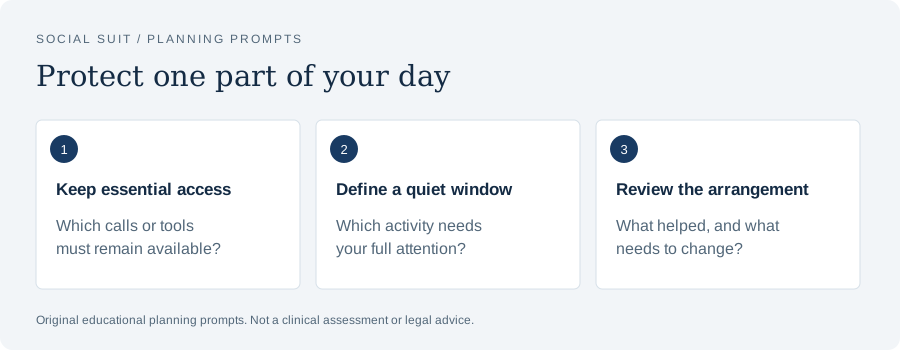
- Keep essential accessWhich calls or tools must remain available?
- Define a quiet windowWhich activity needs your full attention?
- Review the arrangementWhat helped, and what needs to change?
Create a place for online connection on purpose
Ask what online contact actually needs to happen. You may need to reply to a relative, coordinate an event, check a shift schedule, or participate in a community that matters to you. These uses should have a place in the weekend. If you remove them without a substitute, the routine may increase isolation or make practical arrangements harder. The aim is to make contact intentional enough that it does not automatically lead into an unrelated stream of posts.
One option is a planned message check near a natural transition, such as after breakfast or before leaving the house. Open the relevant conversation, handle what is needed, and then decide whether you want entertainment too. This distinction helps you see when a task has ended. A message check that becomes browsing is not inherently disastrous, but it is a new activity. Naming it makes the choice visible. If you are short on time before an anchor, you can postpone browsing without postponing necessary communication.
Some connections cannot be confined to a convenient window. An urgent care update, work contact, or accessibility function may need to remain available. Preserve the required channel and consider reducing only nonessential prompts. Avoid broad instructions to switch off a phone when doing so would leave someone without a safety or support tool. A practical routine should be selective. It can distinguish a call from a caregiver from an automated notification inviting you back into a feed, even if both arrive on the same device.
For a teenager, ask how weekend plans are communicated among friends. A group chat may contain useful timing information mixed with a large amount of optional conversation. Help the teenager identify a direct route for important changes and a way to mute less urgent activity during an offline event. Do not assume that leaving a chat is socially simple. You can preserve belonging while setting an expectation that people do not need to reply continuously. If the group includes harassment or threats, treat that as a separate safety concern rather than as ordinary weekend planning.
Plan rest as a real part of the weekend
If you arrive at the weekend depleted, scheduling only chores and outings can make the plan unusable. Rest deserves a place before all the other activities compete for the same hours. That does not require a formal wellness ritual. You might spend a quiet morning at home, lie down when circumstances permit, listen to familiar music, or sit somewhere comfortable. The activity should fit your needs and responsibilities. It need not be a purchase, a public experience, or evidence that you are using time impressively.
Discuss the difference between rest and an unplanned browsing session without assuming that they are opposites. A chosen film or a supportive conversation can feel restful. A feed that keeps postponing food or sleep may not. Notice the result in your own situation. Did you feel more settled after the activity? Were basic needs met? Did you stop near the intended time? Those observations are more informative than a blanket claim that every screen is bad or that every offline activity is restorative.
Build in recovery after demanding events too. A crowded outing, family gathering, or long drive can leave someone needing quiet even if the event was enjoyable. If the next item begins immediately, people may retreat into devices because the plan offers no other break. A pause between anchors gives the household a chance to reset. For a child, explain what comes next and when. For an adult, leave enough space to eat, change, or sit before another responsibility begins.
If persistent fatigue or sleep difficulties interfere with daily life, seek appropriate healthcare advice rather than treating the weekend routine as a medical solution. The planning suggestions here can make ordinary logistics easier, but they cannot determine the cause of ongoing tiredness. Similarly, if someone is distressed by being alone or feels unable to engage in activities they previously enjoyed, professional support may be useful. A calendar is a tool for arranging opportunities; it is not an assessment or treatment for a health condition.
Keep chores from taking over both days
Write down the chores that truly need to happen before Monday. Separate them from tasks that would be nice to finish. A short essential list might include laundry for work, an accessible meal plan, and one bill that has a deadline. The optional list may include reorganizing storage or completing a home project. If the two lists are mixed, everything can feel equally urgent. That pressure can make it harder to begin and easier to browse while avoiding the whole pile.
Give an essential chore a limited, practical place. For example, start laundry before breakfast and decide when it will be moved. Handle a bill during a short administrative block with the necessary information ready. If a task is larger than expected, identify the first useful step rather than extending it indefinitely into leisure time. A repair might require finding a part or making an appointment, not completing the repair immediately. Make the task’s actual endpoint clear so it does not continue as a vague background obligation.
Share responsibility according to the household’s circumstances. Age, ability, available time, and other duties matter. A shared plan should not assume that one person silently manages all the preparation while everyone else enjoys the offline activity. Discuss who gathers materials, who handles transport, and who cleans up. For children, choose age-appropriate contributions and explain their purpose. A small predictable job can make the plan feel shared, whereas a last-minute series of commands can turn the event into a conflict before it begins.
Use a stopping decision when optional chores expand. Ask whether continuing this task is more important than the valued activity you reserved. Sometimes the answer will be yes, especially when there is a genuine deadline or safety issue. Sometimes the task can wait. The benefit of having an anchor is that the choice becomes visible. You are no longer simply discovering at sunset that errands consumed the day. You can decide which priority deserves the time and adjust the remaining plan deliberately.
Choose offline activities for their function, not their appearance
An activity should connect to the need you identified. If you want company, choose something that makes interaction possible. A shared meal, game, conversation, or visit may fit better than an elaborate outing where everyone separates immediately. If you want quiet, a crowded event may not help even if it is enjoyable in another context. If you want a sense of progress, finishing a small part of a project may be more satisfying than browsing an endless set of ideas about how other people do that project.
Prepare the beginning. A hobby can remain abstract if its materials are stored away and the first step is unclear. Put out what you need, identify one manageable task, and decide how cleanup will work. You might choose to sketch one object, repair one seam, plant one container, or read one chapter. The limited scope is not a restriction on enjoyment; you can continue if you want. It simply creates a start that does not require deciding the entire future of the activity.
Consider activities that allow different levels of participation. A family meal can include someone who helped cook and someone who needed to rest. A game can have a short round rather than a long competition. A walk can have an accessible route and an alternative for someone who cannot join. The plan works better when participation is not a test of endurance or enthusiasm. A household member may appreciate being included even if they contribute differently from what another person expected.
Do not use offline time as a performance for social media. You can take a photo if you want, but the activity does not have to generate a post to count. If documenting the event repeatedly interrupts it, choose when you will take a picture and then put the device away if that fits your needs. Ask permission before sharing other people’s images, especially children’s. A weekend can be memorable without becoming public material, and an enjoyable private experience is not diminished because nobody else sees it.
A flexible Saturday example
Imagine a household with two adults and a school-age child. One adult worked late on Friday. Their first anchor is a relaxed breakfast rather than an early outing. The essential tasks are laundry and buying a few groceries. The valued activity is visiting a nearby library and choosing books together. Before breakfast, one adult starts the laundry while the other helps the child prepare food. They do not expect everyone to avoid devices all morning, but they agree to keep the meal free from optional browsing.
After breakfast, each adult has a brief message check. One confirms the library’s opening time and transport. The child chooses a toy for the waiting period. The family leaves after the laundry has reached a manageable stage, not at an idealized time chosen days earlier. At the library, the child has some choice about what to browse. The adults do not demand that the visit prove the child has abandoned digital interests. A book about a favorite game can still support reading and shared conversation.
The grocery trip follows because it is on the route. If the library visit took longer than expected, they shorten the shopping list to essentials. Back home, there is a pause before another task. One adult rests while the other handles a necessary chore, then they exchange responsibilities. Optional online entertainment has a place later in the afternoon. The routine contains responsibilities and rest without requiring a continuous schedule. The anchor happened because its practical details were arranged, not because the household maintained perfect motivation all day.
The smaller version is clear too. If the weather or transport prevents the library visit, the family chooses books already at home and sets aside a short shared reading period. If illness makes even that impractical, the priority shifts to care and comfort. The plan is not considered a failure because conditions changed. The family can revisit the outing next weekend. What matters is that the routine helps people make choices under real conditions, rather than making them feel guilty for not reproducing an ideal example.
A weekend example for someone living alone
Living alone can offer flexibility and also make it easy for a feed to become the default company. Start with one connection that does not depend on hoping someone will appear online. You might arrange a call, attend an accessible group activity, or invite a friend for a simple meal. Confirm the time in advance if possible. A direct arrangement gives the event a place in the weekend and reduces the need to check repeatedly whether someone might be available.
Suppose the anchor is a Saturday afternoon call with a sibling. The necessary tasks are groceries and preparing work clothes. The personal activity is spending an hour on a neglected creative project. Choose a beginning for the project before the call, such as clearing a small space and working on one component. The call then provides a natural transition. Afterward, decide whether you want more social contact or quiet. Do not assume that one call has to solve every feeling of loneliness for the rest of the weekend.
Online communities may remain important, particularly when local access is limited. Plan a chosen session in the community and notice what makes it supportive. Is it a specific discussion, a live event, or a familiar group? Distinguish that experience from a general feed that leaves you feeling disconnected. You can keep the useful connection while reducing unrelated browsing. If you want a new offline contact, choose a realistic first step, such as checking an event’s accessibility and schedule, rather than demanding immediate participation in a large social group.
Keep the plan modest enough that cancellations do not empty the whole weekend. If the sibling cannot call, you still have the project and necessary tasks. You can choose another form of contact without urgently filling every gap. A backup might be a voice message or arranging a later time. It is reasonable to feel disappointed. The routine should provide options for that feeling, not insist that you replace the person instantly or treat a quiet afternoon as evidence that you have failed socially.
Adapt the routine for shift work and caregiving
A weekend is not always Saturday and Sunday. If your days off fall elsewhere, build the routine around those days. The same principles apply: identify fixed duties, protect recovery, choose one valued anchor, and arrange necessary contact. Do not compare your schedule with a standard weekend that is unavailable to you. A weekday library visit or a short conversation during someone else’s lunch break may be the realistic version of the activity you want. The purpose matters more than its placement on a conventional calendar.
For a caregiver, unpredictability may be the central condition. Choose activities that can pause and resume. A long event requiring advance travel may be difficult, while a home-based activity or a nearby accessible outing may be possible. Prepare a smaller version and avoid promising children an event that depends on circumstances you cannot control. You can explain that the plan is to try an activity, with a backup if care needs change. Predictability comes from clear communication about the options, not from pretending that every hour can be guaranteed.
Preserve the phone’s care functions. You may need alarms, medical communication, accessible tools, transport coordination, or contact with someone receiving care. A routine that removes the device without considering those uses can create risk or stress. Separate the essential channel from optional entertainment where the device allows it. If the distinction is technically difficult, use a practical process instead: check the needed item, complete the response, then decide whether to remain online. Do not compromise care to achieve a screen-free appearance.
Rest may need to arrive in short portions. Ten comfortable minutes while another person handles a task can be more useful than a planned afternoon that never becomes available. Discuss relief with trusted people or appropriate services when possible. If support is unavailable, acknowledge the limitation directly. The routine can make some decisions easier, but it cannot remove the burden of inadequate resources. You deserve options that fit the situation, not advice that assumes spare time and help you do not have.
Include teenagers without making the weekend a referendum on phones
Ask a teenager what they want from the weekend before deciding the family’s optional anchor. Their answer may involve friends, a game, rest, or an activity you did not expect. You can set household boundaries while still treating their preferences as information. If the family activity repeatedly conflicts with the only time they can meet friends, discuss a compromise. A rule that is technically consistent but ignores every social arrangement may create avoidable conflict and make the plan harder to sustain.
Explain the reason for a boundary in concrete terms. “We want twenty minutes at lunch to talk without optional notifications” is easier to evaluate than “You need to live in the real world.” Online relationships can be real relationships, and dismissing them may close the conversation. You can say that a particular shared moment deserves attention without declaring that all digital connection is inferior. Apply the shared boundary to adults too, with clearly explained exceptions for essential responsibilities or accessibility needs.
Give the teenager a choice about participation where appropriate. They might choose between two activities, decide when a shared meal occurs, or help plan transport. Choice does not mean that every household requirement becomes optional. It means distinguishing necessary duties from preferences that can be negotiated. If conflict continues, discuss the specific sticking point after everyone has settled. A recurring argument about the phone may actually concern lack of privacy, an unclear schedule, or a feeling that the young person’s plans are never considered.
Avoid turning the weekend into a hidden assessment of whether the teenager is addicted. A family activity is not a diagnostic test. If you are concerned about persistent impairment, distress, sleep loss, or safety, discuss observations with appropriate professionals. Keep those concerns separate from ordinary disagreements about entertainment. The weekend routine can support sleep, relationships, and responsibilities, but it should not be used to attach a clinical label or to assume that compliance with one activity proves that every concern has disappeared.
Use device settings as support for a chosen activity
Settings can reduce interruption, but they should follow the plan rather than replace it. If the anchor is a shared meal, consider silencing nonessential notifications during that period. If the goal is to leave for an outing on time, avoid starting an open-ended feed immediately before departure. If a child needs reminders, choose one clear cue rather than a stream of alarms. The setting’s purpose should be easy to explain: it protects a specific activity from avoidable interruption.
Review exceptions before switching anything off. A caregiver, worker, or person using accessibility tools may need a channel to remain active. Some devices allow selected contacts or notification categories through a quiet mode, but interfaces and capabilities change. Check the current device’s official instructions if you need technical steps. Test the arrangement with a nonurgent message before relying on it for important contact. A planning guide should not assume that every device has the same controls or that a setting works exactly as remembered.
A visible storage place can help when everyone wants a shared boundary. Phones might sit on a shelf during a game or charge away from the table. Do not make the storage place a punishment or a public display of who failed. A person with a legitimate need to keep a device can explain the exception briefly without disclosing private health information. The arrangement should be respectful enough that people can follow it openly, rather than encouraging covert checks to avoid embarrassment.
When a setting does not work, look at the whole transition. A muted notification does not prevent you from opening an app out of habit. A timer does not provide transport or prepare materials for the next activity. Combine the tool with a practical next step. Stand up to gather what you need, close the completed conversation, or move to the place where the anchor begins. These actions make the change visible. The technology supports a decision that already has a purpose and a destination.
Make Sunday evening easier without erasing Sunday
The transition back to the week can create pressure. People may browse to avoid thinking about Monday, while necessary preparation becomes more urgent. Reserve a short block for the essentials and define what belongs in it. You might check the week’s first appointment, prepare clothing, arrange transport, and identify breakfast. Avoid expanding the block into a complete life reorganization. The goal is to remove a few predictable obstacles, not to earn permission to enjoy the remaining evening.
Choose a point earlier than the final minutes before bed if your circumstances allow it. Preparing at a manageable time leaves room to discover a missing item or ask a question. It also separates practical preparation from the emotional task of winding down. If you work Sunday evening, use another realistic window. The routine should follow your actual schedule. A conventional early Sunday reset is not inherently better than a shorter preparation period after a shift or on a different day off.
For a household with children, discuss the upcoming schedule briefly. Identify what is different, such as an appointment, practice, or change in transport. Do not turn the conversation into a warning about everything that might go wrong. Let the child ask about the part they need to understand. Prepare necessary school materials according to the school’s current requirements. If an assignment is unfinished, identify the immediate next step and appropriate support, rather than using the whole evening for a conflict about why it was not completed earlier.
Leave a final enjoyable or calming activity after preparation. It can be simple and need not be offline if a chosen media activity fits. The distinction is that you choose it knowing the essentials have a place. A saved program, a conversation, reading, or quiet time may each work. If browsing repeatedly delays sleep, use a clearer ending cue and a prepared transition. Persistent sleep problems deserve appropriate healthcare advice; a weekend plan can support timing but should not be represented as treatment.
Review the weekend by what happened, not by perfection
At the end, ask three questions: What did we make room for? What remained difficult? What should change next time? Keep the review short. You might notice that the library visit was enjoyable but travel took longer than expected, or that the meal worked better when preparations were shared. These observations point to concrete adjustments. A general verdict that the weekend was wasted or successful is less useful because it hides the parts that can be improved.
Do not use the review to rank household members by device minutes. Different responsibilities and kinds of use make simple comparisons misleading. Someone may spend more time on a supportive call while another person browses less but misses a shared activity. Focus on agreed outcomes: enough room for rest, necessary tasks completed, and a meaningful activity that happened. If the outcome did not occur, examine the sequence and obstacles. The review should make the next plan easier, not become a courtroom for assigning blame.
Keep what worked and change only what needs attention. If one anchor happened and everyone appreciated it, retain that part. If a second event created pressure, remove or shrink it. A useful routine may remain almost identical for several weeks or vary substantially with circumstances. Consistency is valuable when it reduces decisions, but flexibility is valuable when conditions change. You do not have to choose one permanently. A stable basic structure can contain different activities and realistic exceptions.
If the weekend was interrupted by illness, care needs, transport failure, or an unexpected obligation, distinguish that event from the routine’s ordinary weaknesses. You can still learn from it, but you do not need to redesign every detail because of one unusual weekend. Decide whether a backup would help next time. Sometimes the best backup is simply permission to postpone. A routine is a support for life as it happens, not a promise that no event will ever disrupt the plan.
Questions people ask about weekend screen-time plans
How many screen-free hours should we schedule? There is no single number in this guide. Start with a specific activity or need and identify what amount of protected time makes it possible. For a shared meal, that may be the meal itself. For an outing, it may include travel and participation, with essential device use preserved. A number without a purpose can become arbitrary. If you need age-specific health guidance, discuss your child’s circumstances with an appropriate professional and consult current pediatric resources.
What if everyone wants different activities? Look for one shared anchor and allow separate time elsewhere. You do not need unanimous enthusiasm for every hour. A household can agree to a short meal together while different members pursue their own interests afterward. Where responsibilities require participation, explain the practical reason and distribute work fairly. If preferences conflict over a limited resource, such as transport, discuss the tradeoff directly. Do not assume that the disagreement is caused by phones simply because a device appears during the discussion.
Can a weekend routine include gaming? Yes, a chosen gaming session can have a place in a plan. Consider its practical structure: an online match may not end instantly, and other people may be coordinating participation. Agree on a realistic ending point before the next activity. Avoid scheduling a departure at a time that makes the expected session impossible to finish. At the same time, do not let an open-ended sequence of new matches erase all other priorities. The plan should make both the enjoyment and the boundary understandable.
What if I do not want to plan anything? You can keep most of the weekend open and still choose one anchor. A single arrangement may prevent a valued activity from disappearing without turning the rest into a schedule. If even that feels like too much, identify one basic need and one available option. The aim is to make a weekend feel more like your own, not to impose a planning style you dislike. A minimal routine can be enough if it addresses the actual problem.
A simple plan to write down today
Use five short lines: fixed commitments, essential tasks, one valued activity, rest, and online contact that needs a place. Add the start or context for the valued activity and a smaller version if conditions change. Identify one decision you can make in advance, such as confirming transport or putting materials out. Then stop planning. You can refine the routine after trying it. A long document may look thorough while leaving the beginning just as unclear as it was before.
For additional guidance, our family technology agreement article explains how to turn a shared priority into a clear household expectation. The guide to keeping online connection available during a family reset discusses preserving supportive relationships when boundaries change. The article about fatigue and scrolling helps distinguish a need for recovery from an unplanned feed. Each addresses a different piece of the weekend, so use the one that matches the difficulty you actually encounter rather than adopting every suggestion at once.
If you are investigating serious documented social-media harm and want to understand potential legal review, visit the separate Social Suit legal-options page. A weekend routine does not establish whether someone qualifies for a claim, and changing a habit does not resolve every consequence of a harmful experience. The resource library offers general education. Individual healthcare, safety, or legal questions require appropriate qualified support. Keep that distinction clear while choosing practical changes for ordinary routines.
Your first weekend plan can be small: one event worth remembering, essential needs with a place, and enough open time to recover. If the plan makes it easier to do what you intended, it has served a purpose even when browsing remains part of the weekend. Let the next version reflect what you learned. The goal is a usable rhythm that leaves room for your circumstances and preferences, with decisions that are clear enough to survive a tired or busy day.
Sources and further reading
These primary resources provide context. Our practical examples and planning suggestions are original educational material, not validated treatment protocols. Linked organizations do not endorse Social Suit.